
Anxiety disorders can negatively impact thyroid function by causing chronic stress, affecting hormone synthesis and storage. Lower levels of key thyroid hormones (T4 and T3) are linked to generalized anxiety disorder. Comprehensive health assessments, including thyroid health test services naturally, help identify hormonal imbalances in individuals with anxiety symptoms. Managing anxiety through exercise, mindfulness, balanced diet (rich in iodine), and professional guidance is crucial for maintaining optimal thyroid health. Early intervention through these tests is key to managing both anxiety and thyroid dysfunction holistically, promoting overall well-being.
Anxiety is a prevalent condition with significant impacts on overall health, yet its effects on thyroid function often remain underappreciated. The thyroid gland, responsible for regulating metabolism, requires optimal conditions to function properly. Given the complex interplay between mental and physical well-being, it’s crucial to understand if anxiety can disrupt thyroid balance and, consequently, affect metabolic processes. This article delves into this intricate relationship, exploring potential links between anxiety and thyroid health. We provide valuable insights and emphasize the importance of recognizing these connections, suggesting that a comprehensive approach to wellness may include a thyroid health test service for those experiencing anxiety symptoms.
- Understanding the Link Between Anxiety and Thyroid Imbalance
- Identifying Symptoms: Recognizing Thyroid Dysfunction from Anxiety
- The Role of Stress in Affecting Thyroid Hormone Production
- thyroid health test service: Natural Approaches to Support Thyroid Function
Understanding the Link Between Anxiety and Thyroid Imbalance

Anxiety and thyroid function are interconnected in ways that often go unnoticed. Research suggests that chronic stress, a key component of anxiety disorders, can significantly impact thyroid hormone levels, leading to imbalances that affect overall health. The thyroid gland, located at the base of the neck, plays a crucial role in regulating metabolism, influencing not just energy levels but also mood and cognitive function—areas often negatively impacted by anxiety.
One way anxiety influences thyroid health is through the release of stress hormones like cortisol. Prolonged exposure to high cortisol levels can interfere with thyroid hormone synthesis and storage, leading to conditions such as hypothyroidism or hyperthyroidism. For instance, a study published in Psychoneuroendocrinology found that individuals with generalized anxiety disorder (GAD) had lower levels of thyroxine (T4) and triiodothyronine (T3), the primary thyroid hormones. This suggests that managing anxiety may be a valuable strategy in maintaining optimal thyroid function.
Considering the intricate relationship between mental health and physical well-being, it’s beneficial to incorporate comprehensive health assessments. Services like thyroid health test packages, which can naturally include male hormone blood tests in Manchester, vitamin D blood tests in Sheffield, or vitamin B12 blood tests in Nottingham, offer valuable insights into overall wellness. These tests are particularly important for individuals experiencing anxiety symptoms, as they can help identify underlying hormonal imbalances and guide personalized treatment plans.
Practical advice for managing anxiety and promoting thyroid health includes regular exercise, mindfulness practices, and a balanced diet rich in iodine—essential for thyroid hormone production. Additionally, consulting with healthcare professionals who understand the interplay between mental and physical health is crucial. They can provide tailored guidance, recommend appropriate blood tests, and offer support for both anxiety management and maintaining healthy thyroid levels.
Identifying Symptoms: Recognizing Thyroid Dysfunction from Anxiety

Anxiety and thyroid function are intricately linked, with growing evidence suggesting that chronic stress can significantly impact thyroid health. While anxiety itself doesn’t directly cause thyroid dysfunction, it can exacerbate existing conditions or mask symptoms, making diagnosis a complex task. Recognizing the subtle signs of thyroid dysfunction is crucial, as many of its indicators align with common anxiety symptoms. For instance, fatigue, weight fluctuations, and muscle weakness are both hallmarks of anxiety disorders and hypothyroidism. This overlap can be particularly challenging for individuals experiencing both conditions, often leading to a cycle where stress intensifies thyroid problems and vice versa.
One effective approach to identifying these issues is through comprehensive blood tests, such as the full blood count (FBC) in Birmingham or specific hormone panels like the testosterone blood test in Leicester. These tests can provide valuable insights into overall health and help differentiate between anxiety-related symptoms and those stemming from thyroid disorders. For example, a dairy intolerance test in Bournemouth might reveal an underlying issue that contributes to both digestive discomfort—a common anxiety symptom—and hypothyroidism. By combining these testing services with professional guidance, individuals can navigate the complex interplay between anxiety and thyroid health more effectively.
Practical steps include maintaining a detailed symptom diary, tracking stress levels, and seeking specialized care from healthcare professionals who understand this connection. Early intervention through thyroid health test services plays a pivotal role in managing symptoms and improving overall well-being, ensuring that anxiety is addressed alongside any thyroid dysfunction. This holistic approach empowers individuals to take charge of their health, fostering better physical and mental resilience.
The Role of Stress in Affecting Thyroid Hormone Production
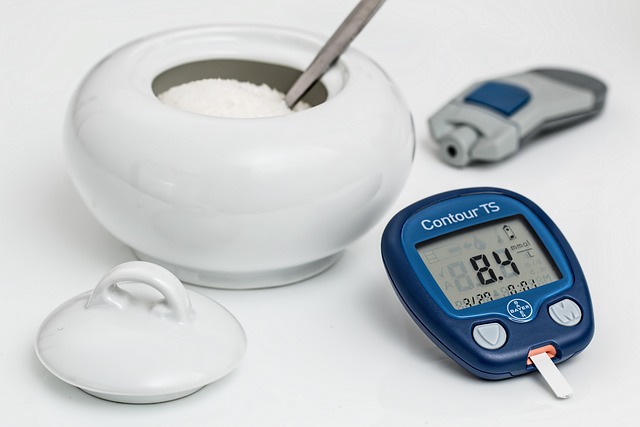
Chronic stress and anxiety can significantly impact thyroid function, often leading to imbalances in hormone production. The thyroid gland, situated at the base of the neck, plays a pivotal role in regulating metabolism through the release of hormones such as thyroxine (T4) and triiodothyronine (T3). When an individual experiences prolonged stress or anxiety, the body triggers a physiological response known as the ‘fight or flight’ reaction. This response involves the activation of the sympathetic nervous system, which stimulates the release of stress hormones like cortisol. While acute stress can be beneficial in short bursts, chronic or prolonged stress can interfere with thyroid hormone synthesis and secretion.
The relationship between stress and thyroid health is complex. Studies suggest that elevated stress levels are associated with reduced thyroid hormone output. For instance, a 2018 research review published in the Journal of Clinical Endocrinology & Metabolism found that individuals experiencing anxiety disorders had lower T3 and T4 levels compared to healthy controls. Furthermore, chronic stress can impact the conversion of T4 to its more active form, T3, which is essential for maintaining optimal metabolic function. This disruption can lead to symptoms such as fatigue, weight gain, brain fog, and changes in menstrual cycles, often misdiagnosed as other health issues.
Managing stress effectively is crucial for supporting thyroid health. Engaging in regular physical activity, practicing mindfulness techniques, and prioritizing quality sleep are evidence-based strategies to reduce stress levels. Additionally, a tailored thyroid health test service can help identify any subtle imbalances or underlying conditions contributing to thyroid dysfunction. For instance, a comprehensive blood panel that includes male hormone (testosterone) levels in men, as well as food intolerance tests, can provide valuable insights into overall hormonal health and guide personalized interventions. Individuals in Manchester considering such tests for diabetes management or general wellness can access reliable services to support their journey towards optimal thyroid function.
thyroid health test service: Natural Approaches to Support Thyroid Function

Anxiety and thyroid function are interconnected in complex ways, with stress response systems affecting the delicate balance of hormones produced by the thyroid gland. Prolonged anxiety can lead to chronic activation of the sympathetic nervous system, which in turn suppresses thyroid function through increased cortisol levels. This disruption can result in a variety of symptoms, including fatigue, weight gain, and changes in mood—all of which are common during times of heightened anxiety.
Addressing thyroid health is crucial for managing anxiety effectively. A comprehensive thyroid health test service naturally becomes an essential tool in understanding and optimizing thyroid function. This involves assessing not only thyroid hormone levels (T3 and T4) but also exploring potential underlying causes, such as food intolerance or autoimmune conditions, which can be detected through specialized tests like those offered in Manchester for food intolerance, Derby for menopause blood tests, and Birmingham for kidney blood tests. By identifying and addressing these factors, individuals can support their thyroid health holistically, thereby mitigating anxiety symptoms and promoting overall well-being.
Practical steps include incorporating stress-reducing practices like mindfulness meditation or yoga, maintaining a balanced diet rich in nutrient-dense whole foods, and engaging in regular physical activity. Additionally, working with healthcare professionals who specialize in integrative medicine can provide personalized guidance on herbal remedies, such as lemon balm or ashwagandha, which have been shown to support thyroid health and anxiety relief. Regular monitoring through thyroid health test services allows for continuous optimization and fine-tuning of these natural approaches to ensure optimal results.
Anxiety and thyroid dysfunction are interconnected, with stress impacting hormone production. Recognizing symptoms like fatigue, weight changes, and mood swings is crucial for accurate diagnosis. The article highlights the importance of understanding this link to maintain optimal thyroid health. Natural approaches, such as the thyroid health test service, offer a proactive strategy to support thyroid function. By incorporating these insights, individuals can take control of their well-being and address potential imbalances effectively. This comprehensive guide empowers readers with knowledge, enabling them to make informed decisions regarding their thyroid health.