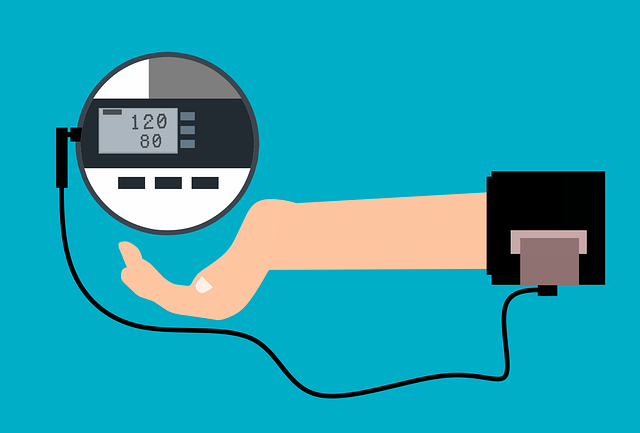
Hypothyroidism, an underactive thyroid gland affecting millions globally, impacts metabolism. Causes range from autoimmune disorders to treatments. Early detection through thyroid health test services naturally is crucial. Diet plays a vital role in thyroid health, with essential nutrients like iodine, vitamin B12, and vitamin D. Strategic dietary approaches include anti-inflammatory foods, food intolerance tests, and regular monitoring of B12 and D levels. Regular exercise, stress management, and specialized health tests support holistic hypothyroidism management. Periodic blood tests monitor key hormone levels for effective dietary regulation. Consulting healthcare professionals ensures tailored guidance and sustained improvements in thyroid health.
Hypothyroidism, a common yet often overlooked health concern, affects millions worldwide. Disruptions in thyroid function can lead to a myriad of symptoms, impacting everything from energy levels to overall well-being. The conventional approach to treatment typically involves medication, but what if diet played a pivotal role in solving this puzzle?
In this comprehensive guide, we delve into the powerful connection between nutrition and thyroid health. We explore how dietary adjustments can naturally support thyroid function, with a focus on evidence-based strategies. By understanding the role of specific foods and nutrients, individuals can take control of their thyroid health through simple yet effective changes. This approach, combined with the guidance from a trusted thyroid health test service, empowers folks to make informed decisions for optimal thyroid wellness.
- Understanding Hypothyroidism: Causes & Symptoms
- The Role of Diet in Thyroid Health Test Service
- Nutrients for Optimal Thyroid Function
- Anti-Inflammatory Foods to Soothe the Thyroid
- Natural Remedies and Lifestyle Changes for Hypothyroidism
- Monitoring Progress: Tracking Thyroid Health Improvement
Understanding Hypothyroidism: Causes & Symptoms

Hypothyroidism, a condition marked by an underactive thyroid gland, affects millions globally. Understanding this complex endocrine disorder is crucial for effective management. The thyroid, situated at the base of the neck, plays a pivotal role in regulating metabolism, influencing nearly every cell and organ in the body. When it malfunctions, imbalances arise, impacting energy levels, weight, mood, and even reproductive health.
Causes vary, from autoimmune disorders like Hashimoto’s thyroiditis to treatments for hyperthyroidism, radiation therapy, or certain medications. Symptoms are diverse, often subtle initially, but may include fatigue, dry skin, hair loss, constipation, muscle pain, and sensitivity to cold. Women are particularly susceptible, with a higher prevalence of hypothyroidism during pregnancy and menopause. For instance, research shows that as many as 1 in 8 women over age 50 have undiagnosed thyroid issues. This highlights the importance of early detection through comprehensive thyroid health test services naturally tailored to individual needs.
For those seeking guidance, a female fertility blood test Milton Keynes, testosterone blood test Cambridge, or testosterone blood test Coventry can offer valuable insights. These tests, administered by healthcare professionals, measure specific hormones and provide data crucial for diagnosis and treatment planning. For example, elevated TSH (thyroid-stimulating hormone) levels often indicate hypothyroidism, while low T3 and T4 thyroid hormones suggest an underactive gland. Addressing hypothyroidism involves lifestyle adjustments, including dietary changes to support optimal thyroid function.
The Role of Diet in Thyroid Health Test Service

Diet plays a pivotal role in maintaining optimal thyroid health, as what we eat can significantly impact the function of this vital gland. A thyroid health test service naturally begins with understanding how food choices influence thyroid regulation. The thyroid, responsible for producing hormones that control metabolism, relies on specific nutrients to function correctly. Imbalances or deficiencies in these nutrients can lead to hypothyroidism, a condition marked by low thyroid hormone levels.
For instance, foods rich in iodine, such as seafood and dairy products, are essential for thyroid hormone synthesis. Iodine deficiency is a leading cause of hypothyroidism worldwide, particularly in regions with limited access to iodized salt or coastal areas where seafood intake is low. Similarly, vitamin B12 blood test results may reveal deficiencies linked to autoimmunity and thyroid disorders. Adequate B12 levels are crucial for maintaining normal metabolic processes and nerve function, which are essential aspects of thyroid health. Another critical nutrient is vitamin D, as studies suggest a link between low vitamin D levels and autoimmune thyroid diseases, such as Hashimoto’s thyroiditis. A vitamin D blood test in Leeds or other regions can help identify individuals at risk.
Practical strategies for supporting thyroid health include incorporating a diverse range of whole foods into the diet, focusing on anti-inflammatory options like lean proteins, leafy greens, and healthy fats. Food intolerance tests in Birmingham can guide individuals toward eliminating problematic foods that may contribute to inflammation or autoimmune responses. Additionally, regular monitoring through vitamin B12 and vitamin D blood tests Bournemouth or other locations can help ensure optimal levels, promoting overall thyroid health and well-being.
Nutrients for Optimal Thyroid Function

Solving hypothyroidism through diet requires a strategic approach that focuses on nourishing the body with essential nutrients crucial for optimal thyroid function. The thyroid gland relies heavily on specific vitamins and minerals to produce hormones that regulate metabolism. A comprehensive understanding of these nutritional requirements is paramount in managing hypothyroidism effectively. For instance, iodine is vital for thyroid hormone synthesis, while zinc plays a key role in thyroid hormone signaling and metabolism.
One effective strategy involves incorporating nutrient-dense foods into your diet. Seafood like salmon and seaweed are excellent sources of iodine. Zinc can be found in foods such as oysters, pumpkin seeds, and beef. Additionally, vitamin B12 blood test Bournemouth results may highlight deficiencies that could impact thyroid health, as B12 is essential for maintaining normal nerve function and DNA synthesis. A balanced diet should also include plenty of fruits and vegetables to ensure a wide range of vitamins and minerals.
Beyond dietary choices, regular health screenings can provide valuable insights into your thyroid health. For instance, a kidney blood test Nottingham or diabetes blood test Sheffield can help identify underlying issues that may affect thyroid function. These tests, along with a comprehensive thyroid health test service naturally available, offer a holistic approach to managing hypothyroidism. By addressing nutritional deficiencies and monitoring overall health, individuals can take proactive steps towards restoring optimal thyroid function and enhancing overall well-being.
Anti-Inflammatory Foods to Soothe the Thyroid

Maintaining optimal thyroid health is crucial for overall well-being, as this small gland plays a pivotal role in regulating metabolism and numerous other bodily functions. When it comes to addressing hypothyroidism, diet plays a significant part in supporting thyroid function. Among the various dietary strategies, incorporating anti-inflammatory foods has gained attention as a natural way to soothe and support the thyroid.
Anti-inflammatory diets have emerged as a popular approach to managing chronic conditions, including hypothyroidism. The concept focuses on reducing inflammation in the body, which can interfere with thyroid hormone production and release. Foods high in antioxidants, omega-3 fatty acids, and compounds like curcumin are known to possess anti-inflammatory properties. For instance, studies suggest that a diet rich in these elements may help improve thyroid symptoms and even reduce the need for synthetic thyroid hormones. A simple shift towards incorporating more berries, leafy greens, fish like salmon, and turmeric-spiced dishes could significantly impact thyroid health.
In conjunction with this approach, individuals can also benefit from specific blood tests to assess their thyroid status accurately. Services offering a thyroid health test naturally gain prominence here, as they provide insights into hormone levels without relying on conventional treatments. For example, in Milton Keynes, female hormone blood tests can offer valuable data on estrogen and progesterone levels, which may be affected by hypothyroidism. Similarly, a full blood count (FBC) in Cambridge can reveal inflammation markers that are indicative of thyroid issues. In Leicester, female fertility blood tests are another option for women concerned about their reproductive health, as these tests can identify hormone imbalances that may impact fertility.
By combining an anti-inflammatory diet with regular thyroid health assessments, individuals can take a proactive step towards managing hypothyroidism naturally. This holistic approach ensures that dietary changes are backed by scientific understanding and personalized monitoring, fostering a balanced and healthy lifestyle.
Natural Remedies and Lifestyle Changes for Hypothyroidism
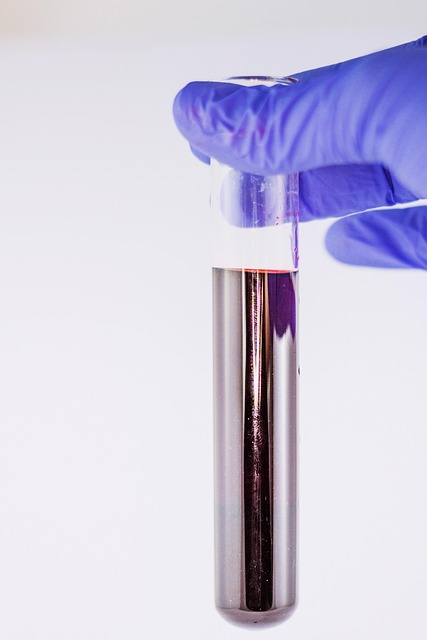
Hypothyroidism, a condition marked by an underactive thyroid, can be a complex health challenge. However, dietary approaches and natural remedies offer promising avenues for managing and even resolving this disorder. This holistic perspective involves understanding specific food intolerances, optimizing nutrient intake, and adopting lifestyle changes tailored to individual needs. For instance, a food intolerance test in Oxford can pinpoint triggers like gluten or dairy sensitivities, which are known to impact thyroid function in some individuals. Additionally, incorporating anti-inflammatory foods and herbs, such as turmeric and astaxanthin, can help regulate thyroid activity.
Lifestyle adjustments play a pivotal role in supporting thyroid health. Regular exercise, for example, stimulates thyroid hormone production and improves overall metabolic rate. Additionally, managing stress levels through practices like meditation or yoga is crucial, as chronic stress can negatively affect thyroid function. It’s also beneficial to seek specialized services like a full blood count test in Cambridge to assess overall health markers and identify any underlying issues affecting the thyroid. For women, considering the impact of hormonal balance on thyroid health, a female fertility blood test in Sheffield might be valuable, ensuring optimal nutrient levels for both thyroid and reproductive well-being.
Natural remedies and dietary changes offer a holistic approach that caters to each person’s unique needs. By combining personalized dietary interventions with lifestyle modifications, many individuals experience significant improvements in their hypothyroidism symptoms. This proactive approach not only supports thyroid health but also enhances overall quality of life. As always, consulting with healthcare professionals is essential for tailored guidance and monitoring throughout this journey towards optimal thyroid function.
Monitoring Progress: Tracking Thyroid Health Improvement

Monitoring your progress is a crucial component of managing hypothyroidism through diet. Since thyroid health can significantly impact overall well-being, regular assessment is essential to ensure the effectiveness of your dietary changes. One effective method is tracking your thyroid’s response through periodic blood tests provided by specialized thyroid health test services. These tests can measure key markers like T3, T4, and TSH levels, offering valuable insights into your thyroid function.
For instance, a reduction in TSH (thyroid-stimulating hormone) over time can indicate that your diet is successfully regulating your thyroid. Similarly, optimal levels of T3 and T4 hormones suggest an improvement in thyroid health. In Sheffield, vitamin B12 blood tests can complement these efforts by assessing another critical aspect of overall health, as deficiency has been linked to thyroid issues. Additionally, women in Southampton considering a dietary approach might benefit from hormone blood tests to monitor estrogen and progesterone levels, especially if they suspect hormonal imbalances contributing to hypothyroidism symptoms.
Dairy intolerance, for example, is another factor that could impact thyroid function. A dairy intolerance test in Southampton can help identify this potential issue, as some studies suggest a link between lactose intolerance and hypothyroidism. Once identified, avoiding or managing dairy intake can positively influence thyroid health. Regular monitoring, combined with dietary adjustments, allows individuals to collaborate closely with healthcare professionals to fine-tune their approach. This proactive strategy ensures that diet is addressing the root causes of hypothyroidism, leading to sustained improvements in thyroid health over time.
By understanding the causes and symptoms of hypothyroidism and leveraging the right dietary strategies through a thyroid health test service naturally, individuals can significantly improve their overall thyroid health. Key insights include prioritizing anti-inflammatory foods, ensuring optimal nutrient intake, and adopting lifestyle changes. Monitoring progress regularly is essential to track improvements, allowing for adjustments as needed. This comprehensive approach equips readers with practical tools to take control of their thyroid health and experience lasting benefits.