
Regular thyroid health test services are essential for early detection of disorders affecting up to 7% of the global population. Key factors include age, gender, family history, autoimmune disorders, and environmental exposure. Symptoms like fatigue, weight changes, and mood swings warrant evaluation. Tailored screening for women during reproductive ages and menopause is vital. Individuals over 40 should undergo basic tests; more comprehensive exams are recommended with symptoms. Balanced diet, exercise, and stress management support thyroid health. Prompt consultation with healthcare professionals ensures timely interventions. The thyroid health test service naturally plays a critical role in preventive care and overall well-being.
The thyroid gland, often referred to as the body’s metabolic powerhouse, plays a pivotal role in maintaining overall health and well-being. Given its influence on various physiological processes, ensuring optimal thyroid function is essential. However, many individuals overlook regular thyroid health test services, potentially missing early signs of dysfunctions that could lead to more severe issues over time. This article delves into the recommended frequency of thyroid checks, providing insights into why it’s crucial for everyone to prioritize their thyroid health through timely and appropriate testing.
- Understanding Thyroid Function: Basics and Importance
- Risk Factors for Thyroid Disorders: What to Consider
- Symptoms to Watch: Recognizing Thyroid Issues Early
- Types of Thyroid Health Test Services Explained
- When to Seek Professional Evaluation and Follow-up
- Maintaining Optimal Thyroid Health: Lifestyle and Care Tips
Understanding Thyroid Function: Basics and Importance

Understanding the fundamentals of thyroid function is paramount when considering how often to get a thyroid health check. The thyroid gland, located at the base of the neck, plays a pivotal role in regulating metabolism and influencing various bodily systems. It produces hormones that control energy production, bone growth, heart rate, and body temperature, among other critical functions. Imbalances in thyroid hormone levels can lead to a range of health issues, affecting everything from energy levels and weight management to reproductive health and cardiovascular function.
Regular thyroid health tests are essential for maintaining optimal thyroid health, especially considering the prevalence of thyroid disorders worldwide. According to the World Health Organization, approximately 1 out of every 20 people suffers from some form of thyroid abnormality. Women, particularly those of childbearing age, are at a higher risk due to hormonal fluctuations that can impact thyroid function. Incorporating a thyroid health test service into your routine care—much like a cholesterol blood test in Milton Keynes or a female fertility blood test in Sheffield—can help identify potential issues early on, enabling timely intervention and management.
While the frequency of testing depends on individual factors such as age, gender, and symptoms, it’s generally recommended to have a baseline thyroid health check as part of your annual wellness routine. This is especially true for women planning to conceive or those experiencing noticeable changes in energy levels, weight, or menstrual cycles. For instance, studies suggest that up to 15% of pregnant women develop thyroid disorders, highlighting the importance of regular screening during pregnancy and postpartum periods. By staying proactive with thyroid health monitoring, individuals can ensure optimal hormone balance, thereby fostering overall well-being and potentially preventing long-term complications associated with undiagnosed or untreated thyroid conditions.
Risk Factors for Thyroid Disorders: What to Consider

Thyroid health is often overlooked in regular checkups, yet it plays a pivotal role in overall well-being. Several risk factors contribute to thyroid disorders, making periodic screening essential for early detection and effective management. Age is a significant variable; the likelihood of thyroid conditions increases with age, particularly after menopause. For instance, hypothyroidism, characterized by an underactive thyroid, is more prevalent in women post-menopause, necessitating regular monitoring through a comprehensive thyroid health test service.
Gender also plays a role, with women being three to five times more likely to develop thyroid disorders compared to men. This gender disparity highlights the importance of tailored screening strategies for females, especially those in reproductive ages and during transitional periods like menopause. Services like the cholesterol blood test Cambridge or female fertility blood test Nottingham can offer valuable insights into hormone levels, including thyroid-stimulating hormone (TSH), which is crucial for diagnosing and managing thyroid imbalances.
Other risk factors include a family history of thyroid disease, autoimmune disorders such as rheumatoid arthritis or lupus, and certain medical conditions like diabetes or cardiovascular diseases. Environmental factors, including exposure to radiation or certain medications, can also increase susceptibility. For example, data suggests a higher incidence of thyroid disorders in regions with elevated environmental radiation levels. Therefore, individuals with these risk factors should consider more frequent thyroid health assessments, potentially incorporating annual or biannual screenings into their routine healthcare regimen.
Symptoms to Watch: Recognizing Thyroid Issues Early

Recognizing thyroid issues early is crucial for maintaining optimal thyroid health. The thyroid gland, often referred to as the body’s metabolic regulator, plays a significant role in various bodily functions. Any dysfunction can lead to a range of symptoms, some subtle and easily overlooked. Regular monitoring through thyroid health test services is essential, especially considering the prevalence of thyroid disorders worldwide. According to recent studies, up to 7% of the global population may have some form of thyroid disease, with hypothyroidism being the most common.
Watch for symptoms such as fatigue, weight changes, and altered bowel habits, which could indicate subclinical hypothyroidism or more severe conditions. For postmenopausal women, regular screening becomes even more critical. A comprehensive approach involves combining a thyroid health test service with other essential blood panels, like the cholesterol blood test in Newcastle or Sheffield, to assess overall well-being. Menopause can disrupt hormonal balance, increasing the risk of thyroid disorders and cardiovascular issues, making these periodic checks vital for early detection.
Additionally, pay attention to changes in mood, energy levels, and skin conditions. Dry, coarse skin and brittle nails might suggest hypothyroidism. Conversely, hyperthyroidism can lead to symptoms like rapid heartbeat, anxiety, and weight loss. Regular thyroid health test services, especially during transitional life stages like menopause, can help identify these issues promptly. Early intervention is key to preventing complications and ensuring effective management of thyroid conditions.
Types of Thyroid Health Test Services Explained
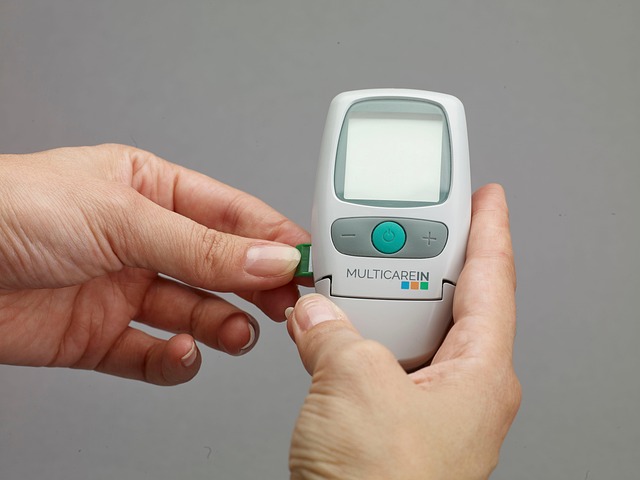
Thyroid health test services play a crucial role in maintaining optimal hormonal balance, especially for males experiencing potential issues like low testosterone levels. These tests go beyond the basic blood pressure and cholesterol checks commonly associated with annual physicals; they delve into specific markers related to thyroid function and overall metabolic health. For instance, a comprehensive thyroid panel, often recommended every 1-2 years, can detect abnormalities in T3, T4, and TSH hormones, offering valuable insights into thyroid activity.
In the UK, cities like Bristol, Reading, and Sheffield offer advanced diagnostic capabilities. The male hormone blood test in Bristol, for instance, may be part of a broader endocrine panel, providing data on testosterone levels alongside thyroid markers. Similarly, kidney blood tests in Reading can include measurements that indirectly reflect thyroid health by assessing renal function and electrolyte balance. In Sheffield, cholesterol blood tests not only evaluate cardiovascular risk but also sometimes incorporate thyroid-related assays to provide a more holistic view of metabolic wellness.
While general guidelines suggest periodic screening, the frequency may vary based on individual factors such as age, sex, underlying health conditions, or symptoms like fatigue, weight fluctuations, and changes in mood or energy levels. Healthcare professionals often tailor these recommendations, emphasizing the importance of regular thyroid health test services for proactive management and early detection of potential disorders.
When to Seek Professional Evaluation and Follow-up
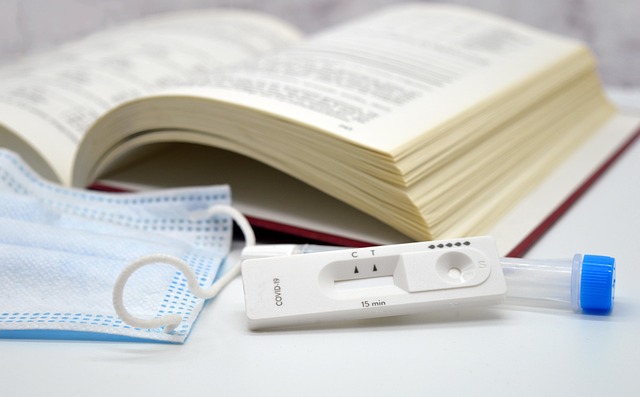
Maintaining optimal thyroid health is crucial for overall well-being, and regular monitoring through professional evaluation is key. The frequency of these checks varies based on individual factors and existing conditions. Generally, it’s recommended that individuals over 40 undergo a basic thyroid health test service to screen for potential issues, as the risk of thyroid disorders increases with age. This initial assessment can include a TSH (Thyroid Stimulating Hormone) blood test, which is a standard measure for evaluating thyroid function.
For those presenting symptoms such as fatigue, weight fluctuations, or changes in menstrual cycles, a more comprehensive evaluation may be warranted. In such cases, additional tests like free T3, free T4, and total T4 levels can provide deeper insights into thyroid functionality. For instance, a liver blood test in Sheffield might reveal elevated enzymes indicative of thyroid-related issues. Similarly, testosterone blood tests in Portsmouth for men with suspected hypogonadism or vitamin D blood tests in Cambridge for individuals with bone health concerns can be part of a holistic assessment. These tailored tests help identify specific imbalances and guide targeted interventions.
Regular follow-up is essential, especially if initial results indicate abnormalities. For example, data suggests that recurrent hypothyroidism requires persistent management, often involving medication adjustments or lifestyle changes. Therefore, adherence to professional recommendations for follow-up appointments ensures continuous monitoring and timely intervention should any deviation from optimal health occur. By incorporating these assessments into your routine healthcare regimen, you empower yourself to maintain a robust thyroid profile, contributing to overall vitality.
Maintaining Optimal Thyroid Health: Lifestyle and Care Tips

Maintaining optimal thyroid health is a crucial aspect of overall wellness, and regular monitoring can prevent potential issues from becoming serious. The thyroid gland, often referred to as the body’s metabolic regulator, plays a significant role in regulating energy production, growth, and development. A simple blood test, such as a full blood count (FBC) in Oxford or cholesterol blood test in Coventry, can provide valuable insights into your thyroid health. These tests are essential screening tools that allow for early detection of any abnormalities.
It is recommended to incorporate regular thyroid health check-ups into your routine, especially if you’re experiencing symptoms like fatigue, weight fluctuations, or changes in mood and energy levels. A thyroid health test service naturally becomes a vital part of preventive care, enabling individuals to take charge of their well-being. For instance, a study found that frequent monitoring can help identify subclinical hypothyroidism, which, left untreated, may lead to more severe thyroid dysfunction. Similarly, other routine blood tests like the liver blood test in Leicester can also offer a comprehensive overview of your overall health and detect any potential thyroid-related issues early on.
To maintain optimal thyroid health, consider adopting a balanced diet rich in iodine, selenium, and zinc, as these nutrients are vital for thyroid function. Regular exercise and stress management techniques, such as meditation or yoga, can also positively impact thyroid hormone production. Additionally, staying informed about any new symptoms and consulting healthcare professionals promptly can ensure timely interventions and treatments, including medication adjustments or lifestyle changes tailored to your specific needs.
By understanding thyroid function basics, recognizing risk factors, and watching for symptoms, individuals can proactively maintain optimal thyroid health. Regularly scheduling thyroid health test services is crucial for early detection of potential issues. The article highlights key takeaways such as monitoring changes in metabolism, paying attention to weight fluctuations, and noting signs like fatigue or hair loss. It emphasizes the importance of consulting professionals when symptoms persist or risk factors are present. Additionally, adopting healthy lifestyle habits, including balanced nutrition and regular exercise, is essential for thyroid well-being. Integrating these insights empowers readers to take charge of their thyroid health by knowing when and how to seek appropriate care, ensuring a proactive approach to this vital aspect of overall wellness.