
Thyroid health test services are vital for early detection and management of thyroid disorders, as they regulate metabolism and influence overall well-being. These tests identify conditions like hypothyroidism or hyperthyroidism through measurements of TSH, T4, and T3 hormone levels. Strategic dietary and lifestyle adjustments, along with regular screening, ensure accurate results and optimal thyroid health, enhancing quality of life for at-risk individuals.
Maintaining optimal thyroid health is paramount for overall well-being, as this gland plays a pivotal role in regulating metabolism and influencing numerous bodily functions. However, evaluating thyroid function often requires a specialized blood test, which can be daunting for many. Accurately preparing for this test is essential to ensure reliable results, leading to appropriate medical decisions. This article serves as your comprehensive guide, offering expert insights on how to optimally prepare for your thyroid health test service, thereby empowering you to take charge of your thyroid wellness.
- Understanding Thyroid Function and the Importance of Testing
- Preparing for the Blood Draw: What to Expect and Do
- Interpreting Results: Deciphering Your Thyroid Health Test Service
- Post-Test Care and Next Steps for Optimal Thyroid Health
Understanding Thyroid Function and the Importance of Testing

Understanding thyroid function is a crucial first step when preparing for any thyroid blood test. The thyroid gland, located at the base of your neck, plays a vital role in regulating metabolism by producing hormones that influence almost every cell in your body. Imbalances in these hormones can lead to a range of health issues, from fatigue and weight gain to cardiovascular problems and impaired cognitive function. This highlights the importance of regular thyroid health test services for anyone experiencing symptoms or at risk of thyroid disorders.
One common scenario where such testing is recommended is for individuals with suspected diabetes or food intolerance. For instance, a diabetes blood test in Cambridge might reveal underlying hyperthyroidism (an overactive thyroid) that could be affecting insulin sensitivity. Similarly, a food intolerance test in Leeds could uncover an autoimmune reaction triggered by certain foods, which often requires adjustments to thyroid-supporting diets. Men, too, should consider hormone blood tests in Leeds 1, especially as they age, given the association between declining testosterone levels and thyroid dysfunction.
Understanding these connections empowers individuals to take proactive steps towards optimal health. For example, dietary modifications, such as incorporating iodine-rich foods or limiting goitrogenic compounds (which can interfere with thyroid function), alongside regular exercise and stress management, can support healthy thyroid function. Timely testing and intervention are key; early detection of thyroid imbalances can prevent more serious complications down the line. Thus, seeking out reputable thyroid health test services becomes a vital component in maintaining overall well-being.
Preparing for the Blood Draw: What to Expect and Do

Preparing for a thyroid blood test requires a strategic approach to ensure accurate results. Firstly, understand that this process involves taking a sample of your blood to measure thyroid hormone levels, which are crucial for overall metabolic health. The thyroid health test service naturally involves specific preparations to optimize the quality of the sample.
In the days leading up to the test, focus on maintaining a balanced diet rich in essential nutrients. Avoid extreme dietary changes as this can impact thyroid function. For instance, certain foods contain compounds that may interfere with test results, such as goitrogens found in raw cabbage or broccoli. Consider consulting with a healthcare professional or nutritionist, especially if you have a history of food intolerance, like those seeking a food intolerance test Milton Keynes. They can offer personalized guidance to ensure your diet supports thyroid health without compromising the test’s integrity.
Additionally, managing stress levels is vital. Chronic stress can disrupt hormone balance, so incorporating relaxation techniques into your routine can be beneficial. On the day of the test, arrive at the clinic calm and well-rested. Remember, aside from dietary considerations, other factors like physical activity and medication use may also influence thyroid markers. Informing your healthcare provider about any recent changes in these areas is essential for accurate interpretation of results, especially when considering a cholesterol blood test Oxford or liver blood test Bristol, as these can have interrelated factors with thyroid health.
Interpreting Results: Deciphering Your Thyroid Health Test Service
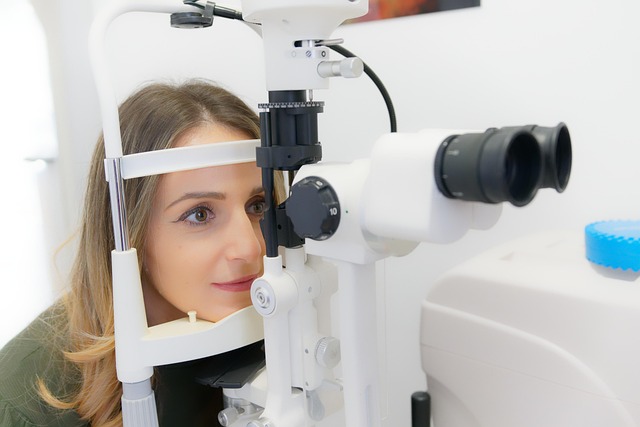
Interpreting your thyroid health test results is a crucial step in understanding your overall well-being. The thyroid health test service provides valuable insights into how efficiently your thyroid gland is functioning, as it plays a pivotal role in regulating metabolism and numerous bodily functions. When analyzing your results, consider the reference ranges provided by your healthcare provider or laboratory. These ranges are not one-size-fits-all and may vary slightly between different facilities. For instance, optimal levels of thyroxine (T4) typically fall within 93–170 nanograms per decimal liter (ng/dL), while triiodothyronine (T3) levels usually range from 270 to 420 picograms per milliliter (pg/mL).
An example of a thyroid health test service might include measurements of TSH (thyroid-stimulating hormone), T4, and T3. Elevated TSH levels may indicate hypothyroidism, while low TSH could suggest hyperthyroidism. Deviations in T4 and T3 from the reference range can also provide clues about specific thyroid conditions. For instance, a vitamin B12 blood test Coventry might reveal deficiency-related symptoms that impact thyroid function, emphasizing the interconnectedness of various health markers. Similarly, a kidney blood test Liverpool or Derby could offer additional context by assessing creatinine levels, as chronic kidney disease has been linked to thyroid dysfunctions.
If your results fall outside the normal range, don’t panic. Many factors can influence thyroid health, including stress, diet, medication, and underlying medical conditions. Discuss your results with your healthcare provider who can interpret them in light of your medical history, symptoms, and other diagnostic tests. They may recommend further evaluation or adjustments to your lifestyle or treatment plan. Regular monitoring and open communication with your care team are essential for managing thyroid health effectively.
Post-Test Care and Next Steps for Optimal Thyroid Health
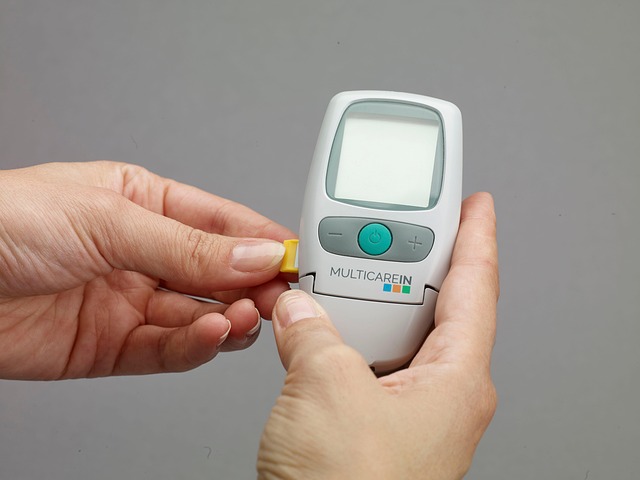
By understanding thyroid function and the significance of testing through preparing for the blood draw, interpreting results, and post-test care, you gain significant control over your thyroid health test service. This article has empowered you with practical insights to navigate the process effectively, ensuring accurate assessments and informed next steps for optimal thyroid health. Remember, proactive management is key, and by following these guidelines, you can confidently move forward toward a healthier thyroid.