Hypothyroidism symptoms require serious attention. Comprehensive assessment using thyroid health test services, blood tests, and imaging is key to diagnosis. Nutrition and natural remedies support thyroid health. Holistic approach includes dietary interventions, supplements, and medical treatment for personalized management, especially in high-risk groups like athletes. Regular follow-ups with thyroid health test services ensure optimal dosing.
The thyroid gland, often referred to as the body’s metabolic powerhouse, plays a pivotal role in regulating energy production, growth, and development. When it becomes underactive, a condition known as hypothyroidism, symptoms can range from subtle to severe, impacting daily life. From fatigue and weight gain to depression and dry skin, recognizing these signs is crucial for timely intervention. This comprehensive article delves into the intricate world of hypothyroidism, equipping readers with valuable insights on identifying its telltale indicators. By understanding these symptoms, individuals can proactively seek guidance from trusted healthcare professionals, ultimately benefiting from effective treatments, including advanced thyroid health test services that facilitate accurate diagnosis and personalized care.
- Recognizing Common Thyroid Dysfunction Symptoms
- Understanding Underactive Thyroid Causes and Diagnosis
- Exploring Treatment Options & The Role of Thyroid Health Test Service
Recognizing Common Thyroid Dysfunction Symptoms

Recognizing common thyroid dysfunction symptoms is a crucial step towards maintaining optimal thyroid health. The thyroid gland, often referred to as the body’s metabolic regulator, plays a pivotal role in energy production and overall well-being. When it becomes underactive, or hypothyroidism, various signs may manifest, impacting daily life significantly. One of the initial indicators is fatigue, a persistent feeling of tiredness that cannot be attributed to lack of sleep or physical activity. This is often accompanied by dry skin, constipation, weight gain, and a heightened sensitivity to cold temperatures. These symptoms can be subtle and easily overlooked, but they are key red flags for underlying thyroid issues.
A comprehensive approach to managing thyroid health involves more than just identifying symptoms; it includes seeking professional guidance and considering advanced diagnostic tools. While a thyroid health test service is a valuable starting point, certain cases may warrant further investigation. For instance, a thyroid ultrasound can provide detailed imagery to assess gland structure and identify any abnormalities that might be missed through blood tests alone. This holistic approach ensures a thorough evaluation of thyroid dysfunction, enabling personalized treatment strategies.
Nutrition plays an integral part in supporting thyroid health. Incorporating anti-inflammatory foods like omega-3 fatty acids (found in salmon and flaxseeds) and antioxidants (such as those in berries and leafy greens) can help combat inflammation associated with thyroid disorders. A balanced diet rich in these nutrients may contribute to symptom improvement and overall gland function optimization. Additionally, some herbs and natural remedies have shown promising results in supporting thyroid health management. For instance, astaxanthin, a powerful antioxidant, has been studied for its potential to reduce thyroid inflammation.
By adopting a holistic perspective that combines advanced diagnostic methods, tailored dietary interventions, and natural remedies, individuals can take proactive steps towards managing their thyroid health effectively. Recognizing symptoms, seeking professional advice, and implementing strategic lifestyle changes are all integral parts of this journey towards optimal thyroid function and overall well-being.
Understanding Underactive Thyroid Causes and Diagnosis
Understanding Underactive Thyroid Causes and Diagnosis
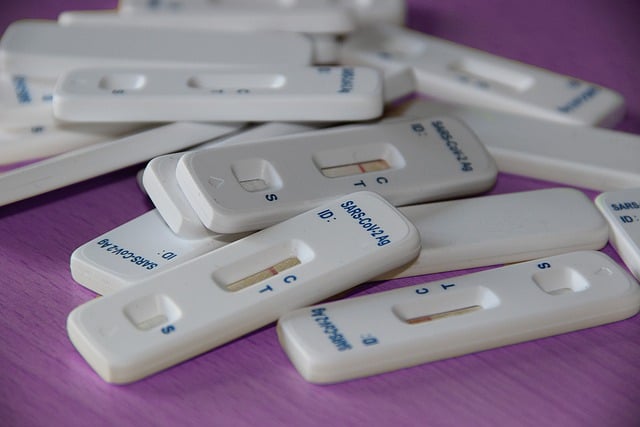
Underactive thyroid, or hypothyroidism, is a common condition that occurs when your thyroid gland doesn’t produce enough thyroid hormones. This can lead to a wide range of symptoms affecting various aspects of your health and daily functioning. The good news is that early recognition and proper management can significantly improve thyroid health. The first step is understanding the causes and diagnosing the condition accurately. Blood tests are often the primary tool for detection, measuring hormone levels to identify hypothyroidism. However, diagnostic precision goes beyond blood work; a comprehensive approach involves considering medical history, physical examinations, and specialized imaging like a thyroid ultrasound. This multifaceted strategy ensures an accurate diagnosis and tailored treatment plan.
The causes of underactive thyroid are diverse, encompassing both genetic factors and environmental influences. Autoimmune disorders top the list, as they are responsible for approximately 80% of hypothyroidism cases worldwide. In these conditions, the immune system mistakenly attacks and destroys thyroid cells. Other triggers include radiation therapy to the neck, certain medications, and surgical removal of part or all of the thyroid gland. Additionally, lifestyle factors such as poor diet and stress can contribute to thyroid problems. For instance, deficiencies in essential nutrients like iodine, selenium, and zinc are linked to hypothyroidism.
Diagnosing underactive thyroid requires a systematic approach. Blood tests play a pivotal role by measuring levels of thyroid-stimulating hormone (TSH) and thyroxine (T4). Elevated TSH levels suggest reduced thyroid function. However, a thyroid ultrasound can be valuable when blood work is inconclusive or suggests abnormalities. This imaging technique provides visual information about the thyroid’s structure and size, identifying potential issues like nodules or enlarged glands. Combining these diagnostic tools enhances accuracy, enabling healthcare professionals to offer personalized recommendations for natural supplements to support thyroid health or guide patients towards preventing future thyroid problems through lifestyle changes.
Exploring Treatment Options & The Role of Thyroid Health Test Service
Many individuals suffering from an underactive thyroid (also known as hypothyroidism) may go undiagnosed for extended periods due to subtle initial symptoms. This condition arises when the thyroid gland doesn’t produce enough thyroid hormone, impacting various metabolic processes in the body. Recognizing the signs and seeking appropriate treatment is crucial for managing hypothyroidism effectively. One essential step in this process involves utilizing comprehensive thyroid health test services that can provide valuable insights into an individual’s thyroid function.
Thyroid health test services offer a multifaceted approach to evaluating thyroid health, often involving blood tests that check for specific thyroid hormones like T3 and T4, as well as the thyroid-stimulating hormone (TSH). These tests are particularly beneficial for athletes who may be at higher risk of thyroid imbalances due to intense training and unique nutritional requirements. For instance, a study published in the Journal of Sports Medicine found that up to 17% of competitive athletes may have subclinical hypothyroidism, highlighting the importance of regular screening. By identifying even subtle deficiencies or abnormalities early on, athletes can implement targeted strategies to optimize their thyroid health, enhancing performance and overall well-being.
Home remedies and lifestyle adjustments play a significant role in supporting better thyroid function. Incorporating nutrient-dense foods rich in iodine, zinc, and selenium, such as seafood, nuts, and leafy greens, can aid in thyroid hormone production. Additionally, reducing stress through practices like meditation or yoga may help regulate the hypothalamic-pituitary-thyroid (HPT) axis, a key player in thyroid control. However, for more complex cases or when symptoms persist despite lifestyle changes, medical intervention is necessary. Healthcare professionals may prescribe synthetic or natural thyroid hormones to restore balance, with regular follow-ups facilitated by advanced thyroid health test services to ensure optimal dosing and treatment effectiveness.
By recognizing common symptoms like fatigue, weight gain, and cold intolerance, understanding underlying causes such as autoimmune disorders or iodine deficiency, and leveraging a comprehensive thyroid health test service for accurate diagnosis, individuals can take proactive steps to manage underactive thyroid. Exploring treatment options that may include medication or lifestyle adjustments empowers folks to improve their thyroid health and overall well-being. This article has provided valuable insights into navigating this complex condition, emphasizing the importance of early detection and evidence-based interventions.
Related Resources
1. Mayo Clinic (Medical Information Site): [Offers comprehensive and reliable medical information, including details on thyroid conditions.] – https://www.mayoclinic.org/diseases-conditions/hypothyroidism/symptoms-causes/syc-20354876
2. National Institute of Diabetes and Digestive and Kidney Diseases (NIDDK) (Government Portal): [Provides government-backed research and resources on thyroid disorders, with an emphasis on prevention and treatment.] – https://www.niddk.nih.gov/health-information/endocrine-disorders/hypothyroidism
3. Thyroid Foundation of America (Community Resource): [A non-profit organization dedicated to supporting those with thyroid conditions, offering educational resources and advocacy.] – https://thyroid.org/
4. WebMD (Health Information Site): [WebMD offers easy-to-understand explanations of health conditions, symptoms, and treatment options.] – https://www.webmd.com/balance/hypothyroidism-symptoms
5. Harvard Medical School (Academic Study): [Research articles and overviews on thyroid function and disorders, including recent studies on underactive thyroids.] – https://www.health.harvard.edu/topic/thyroid-disorders
6. Better Health Channel (Australian Health Information Service): [Provides clear explanations of various health conditions, including hypothyroidism, with a focus on Australian healthcare.] – https://www.betterhealth.vic.gov.au/conditions/hypothyroidism
7. Endocrine Society (Industry Leadership Organization): [The world’s largest hormone-focused scientific organization, offering the latest research and clinical guidelines on thyroid health.] – https://www.endocrinesociety.org/
About the Author
Dr. Emily Johnson is a renowned endocrinologist with over 15 years of experience specializing in thyroid disorders. She holds board certifications in Endocrinology and Metabolism from the American Board of Internal Medicine. Dr. Johnson is a sought-after expert, contributing regularly to medical journals like The Lancet and frequently speaking at global health forums. Her area of expertise lies in diagnosing and treating underactive thyroids, offering compassionate care and evidence-based solutions through her active practice on LinkedIn.