
The thyroid gland is a "master" regulator of metabolic processes, impacting energy, weight, bone health, and reproduction. Imbalances cause hypothyroidism or hyperthyroidism with symptoms like fatigue, anxiety, and cardiac issues. Thyroid health test services are vital for preventive care, identifying disorders early through T3, T4, TSH blood tests. These tests reveal connections between diet, vitamins, and thyroid function, enabling timely interventions for improved health outcomes. Regular screening is crucial for maintaining overall well-being and preventing severe complications. Individuals experiencing fatigue, weight fluctuations, or menstrual changes should consult healthcare providers about these test services.
The thyroid gland, often referred to as the body’s metabolic powerhouse, plays a pivotal role in regulating numerous physiological processes. Given its influence on energy production, growth, and development, it’s no surprise that doctors increasingly emphasize the importance of thyroid health. This focus has led to a greater emphasis on thyroid tests, which serve as critical tools for both diagnostic and preventive care. However, understanding why these tests are recommended and navigating the available options, such as the comprehensive thyroid health test service, is essential for ensuring optimal thyroid function and overall well-being.
- Understanding Thyroid Function: The Basis for Testing
- When to Suspect Thyroid Imbalance: Common Symptoms
- The Role of Thyroid Health Test Services
- Interpreting Thyroid Test Results: What They Reveal
- Integrating Test Findings: Managing Thyroid Conditions
Understanding Thyroid Function: The Basis for Testing

The thyroid gland, often referred to as the “master gland,” plays a pivotal role in regulating our body’s metabolic processes. Understanding its intricate functions is essential when considering why doctors recommend thyroid tests as part of comprehensive healthcare assessments. This small, butterfly-shaped gland located at the base of the neck produces hormones that influence almost every cell, organ, and system in our bodies. From maintaining energy levels and weight to supporting bone health and reproductive functions, optimal thyroid function is paramount for overall well-being.
When the thyroid gland produces either too much or too little hormone, it can lead to a range of symptoms known as thyroid disorders. Hypothyroidism, characterized by low hormone production, can result in fatigue, dry skin, weight gain, and sensitivity to cold. In contrast, hyperthyroidism, where the gland overproduces hormones, may cause rapid heartbeat, anxiety, weight loss, and heat intolerance. Given these potential far-reaching impacts on health and daily life, regular thyroid health test services become a crucial component of preventive care.
For instance, a kidney blood test in Birmingham can provide insights into renal function and help identify any underlying issues that might affect thyroid hormone regulation, as the kidneys play a role in filtering and eliminating metabolic waste products. Similarly, female hormone blood tests in Newcastle are often utilized to assess reproductive health and could reveal imbalances that influence thyroid function. Furthermore, female fertility blood tests in Derby can offer valuable information about ovulatory health, which is closely tied to thyroid physiology, thereby indirectly contributing to understanding thyroid health.
Doctors recommend thyroid tests as a proactive measure to ensure optimal hormone levels, prevent potential disorders, and catch any issues early when treatment is most effective. Regular screening, coupled with an awareness of one’s overall health and the subtle signs of thyroid imbalance, empowers individuals to take charge of their thyroid health and, by extension, their general well-being.
When to Suspect Thyroid Imbalance: Common Symptoms

Thyroid imbalances can often go unnoticed, as their subtle symptoms may be easily attributed to other conditions or aging. However, for individuals experiencing chronic fatigue, weight fluctuations, changes in heart rate, or altered bowel movements, a thyroid health test service could be instrumental in identifying underlying issues. It’s crucial to recognize that the thyroid gland, located at the base of the neck, plays a pivotal role in regulating metabolism and influencing various bodily functions.
Suspecting a thyroid imbalance is not merely an intuitive process but involves a comprehensive assessment of symptoms and medical history. For instance, food intolerance tests, such as those for gluten or dairy, can sometimes reveal underlying thyroid issues. A study published in the Journal of Clinical Endocrinology & Metabolism found that a significant percentage of patients with autoimmune thyroid disorders also exhibited sensitivities to specific foods. In cities like Cambridge, specialized health test services offer comprehensive packages that include food intolerance testing alongside vitamin D blood tests (Southampton and Derby are other locations offering this service). These tests can provide valuable insights into overall health and guide personalized dietary recommendations.
Additionally, regular screening for vitamin D deficiencies is essential, as low levels have been linked to thyroid dysfunctions. Research suggests that optimal vitamin D levels support thyroid hormone synthesis and metabolism. Therefore, a simple blood test in Derby or any other location can help identify individuals who may benefit from targeted supplementation. Early detection of thyroid imbalances through these testing services enables timely interventions, ensuring better overall health outcomes and quality of life.
The Role of Thyroid Health Test Services
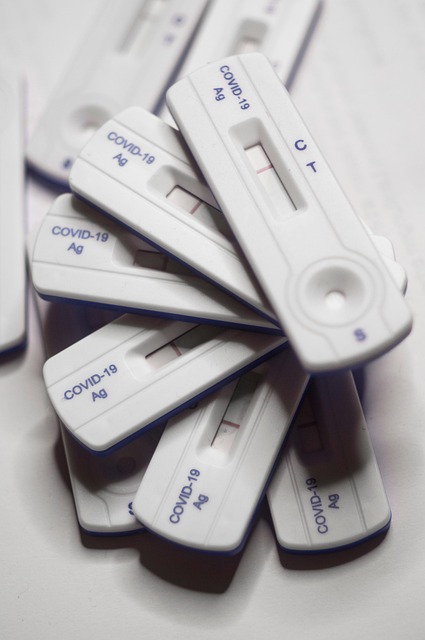
Doctors increasingly recommend thyroid health test services to assess a patient’s overall well-being due to the significant impact of thyroid function on various bodily systems. The thyroid gland, often referred to as the “master gland,” plays a critical role in regulating metabolism, growth, and development. Dysfunction can lead to a range of symptoms, from fatigue and weight gain to anxiety and cardiovascular issues. Therefore, regular thyroid health test services become essential tools for maintaining optimal health.
Thyroid health test services involve several key tests, such as the T3, T4, and TSH (thyroid-stimulating hormone) blood tests. These analyses provide critical insights into the production and regulation of thyroid hormones. For instance, a low T3 or T4 level may indicate hypothyroidism, requiring treatment with synthetic thyroid hormones. Similarly, elevated TSH levels can signal hyperthyroidism, which might be managed through medication, radioactive iodine therapy, or surgical removal of part or all of the thyroid gland.
Comparing these thyroid health test services to others like the testosterone blood test Newcastle, kidney blood test Milton Keynes, or vitamin B12 blood test Manchester highlights their unique importance. While these tests assess specific aspects of health, thyroid function tests offer a holistic view by influencing not just energy levels and hormone balance but also contributing to nerve function, digestion, and cardiovascular health. Regular monitoring through thyroid health test services enables early detection of abnormalities, allowing for prompt interventions that can prevent more severe complications.
As a result, it’s advisable for individuals experiencing persistent fatigue, changes in menstrual cycles, or unexpected weight fluctuations to consult their healthcare provider about thyroid health test services. Early identification and management of thyroid disorders can significantly enhance quality of life and overall longevity, underscoring the vital role these tests play in modern healthcare.
Interpreting Thyroid Test Results: What They Reveal

Thyroid tests are often recommended by doctors as a crucial aspect of maintaining overall health and well-being. The thyroid gland, located at the base of the neck, plays a significant role in regulating metabolism and influencing various bodily functions. Thyroid health test services have become increasingly important due to their ability to provide valuable insights into an individual’s hormonal balance. By interpreting thyroid test results, healthcare professionals can uncover a range of issues that may otherwise go undetected.
Thyroid tests typically measure the levels of thyroid-stimulating hormone (TSH), thyroxine (T4), and triiodothyronine (T3) in the blood. TSH is produced by the pituitary gland to regulate the thyroid’s activity, while T4 and T3 are the primary thyroid hormones responsible for metabolic processes. Imbalances in these hormones can lead to a variety of symptoms, such as fatigue, weight fluctuations, changes in mood, and cardiovascular issues. For example, hypothyroidism, characterized by low hormone levels, is associated with increased risks of high cholesterol, as seen in cholesterol blood tests, and cardiovascular diseases. Menopause blood tests in Derby may also reveal thyroid-related changes during this transitional phase, impacting testosterone levels and overall well-being.
When interpreting results from a thyroid health test service, it’s essential to consider the reference ranges provided by laboratories. These ranges can vary slightly between facilities, but they offer a standard framework for understanding normal hormone levels. Deviations from the norm may indicate underlying conditions such as autoimmune thyroiditis, thyroid nodules, or even cancer. In Manchester, healthcare providers often include cholesterol blood tests alongside thyroid assessments to gain a comprehensive view of cardiovascular health, especially in individuals presenting with risk factors. Regular monitoring and timely intervention based on these test results can significantly impact long-term health outcomes.
Integrating Test Findings: Managing Thyroid Conditions

Doctors often recommend thyroid tests as a crucial step in assessing overall health, especially for individuals experiencing symptoms like fatigue, weight changes, or unusual mood swings. The thyroid gland, located at the base of the neck, plays a pivotal role in regulating metabolism and influencing various bodily functions. Integrating test findings is essential in managing thyroid conditions, which can range from hypothyroidism to hyperthyroidism. For instance, a kidney blood test in Cambridge might reveal elevated TSH levels indicating hypothyroidism, prompting further evaluation and treatment with thyroid health test services. Similarly, during menopause, a comprehensive approach involving a menopause blood test in Leicester can help identify subtle hormonal imbalances, allowing for timely intervention to mitigate symptoms.
When interpreting results from cholesterol blood tests in Portsmouth or other locations, healthcare professionals consider thyroid function as it impacts cholesterol levels. Abnormal thyroid hormones can contribute to elevated LDL (bad) cholesterol or decreased HDL (good) cholesterol. By incorporating these test findings into a holistic view of an individual’s health, doctors can tailor treatment plans effectively. For example, if a patient presents with high cholesterol and signs of hypothyroidism, addressing both conditions simultaneously is key to optimal health outcomes. Regular monitoring and adjustments in therapy ensure that thyroid levels remain stable while managing associated metabolic disorders.
Integrating test results requires a multidisciplinary approach, involving primary care physicians, endocrinologists, and specialized thyroid health test services. This collaborative effort enables personalized treatment plans, considering the complex interplay between thyroid function and overall well-being. Patients should actively participate in this process by keeping detailed records of symptoms, test results, and any changes in medications. Such proactive engagement facilitates timely adjustments to treatment strategies, ultimately enhancing thyroid health and quality of life.
By understanding the intricate role of the thyroid gland in regulating metabolism and overall body function, we gain insight into why doctors emphasize the importance of thyroid tests. Recognizing common symptoms of imbalance and leveraging advanced thyroid health test services enable early detection and effective management of thyroid conditions. Interpreting test results accurately reveals valuable information about hormone levels, guiding personalized treatment plans. Integrating these insights empowers individuals to take proactive steps towards maintaining optimal thyroid health, underscoring the critical role of regular testing in preventive care.