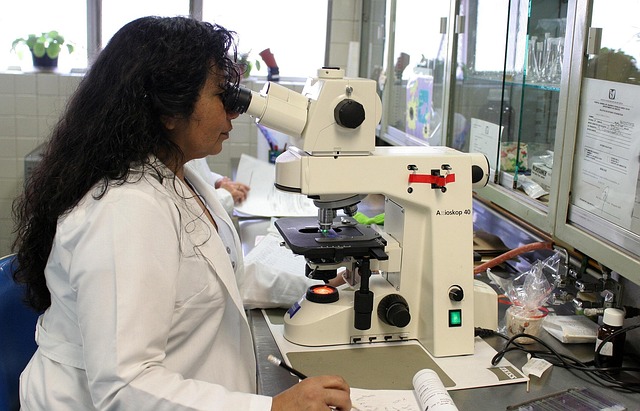
Thyroid health test services integrate blood analysis (TSH, TPO, Tg), advanced imaging (ultrasound, MRI), biopsies, molecular diagnostics, and interpretation of numerical values to assess endocrine system function. These comprehensive tools aid in diagnosing thyroid disorders, identifying autoimmune conditions like Hashimoto's, and developing personalized treatment plans, emphasizing the importance of a quality thyroid health test service.
“Unraveling the complexities of thyroid disorders requires advanced diagnostic methods. This comprehensive guide explores state-of-the-art techniques for optimal thyroid health test services. From understanding fundamental Thyroid Function Tests to cutting-edge Molecular Diagnostics, each section delves into crucial aspects. Advanced Imaging Techniques provide visual insights, while Biopsies offer tissue analysis. Blood Analysis uncovers subtle abnormalities. Discover how these methods collaborate to ensure accurate diagnoses and personalized treatment plans for thyroid care.”
- Understanding Thyroid Function Tests
- Advanced Imaging Techniques for Diagnosis
- The Role of Biopsies in Thyroid Care
- Blood Analysis for Thyroid Disorders
- Molecular Diagnostics: DNA and RNA Tests
- Interpreting Results: Accurate Diagnosis
Understanding Thyroid Function Tests

Thyroid health is essential for overall well-being, and achieving it involves understanding specific tests designed to assess its function. The thyroid function test is a crucial tool in diagnosing thyroid disorders. It typically involves analyzing blood samples to measure key hormones produced by the thyroid gland. These hormones play a vital role in regulating metabolism and energy levels throughout the body.
Understanding thyroid antibodies in tests is also significant because autoimmunity can affect thyroid health. Antibodies, like TPO (thyroid peroxidase) and Tg (thyroglobulin) antibodies, are often present when the immune system attacks the thyroid gland. These markers help healthcare professionals diagnose autoimmune thyroid conditions, such as Hashimoto’s thyroiditis. Additionally, the role of nutrition in thyroid wellness cannot be overlooked, as certain nutrients like iodine, selenium, and zinc are essential for optimal thyroid hormone synthesis.
Advanced Imaging Techniques for Diagnosis
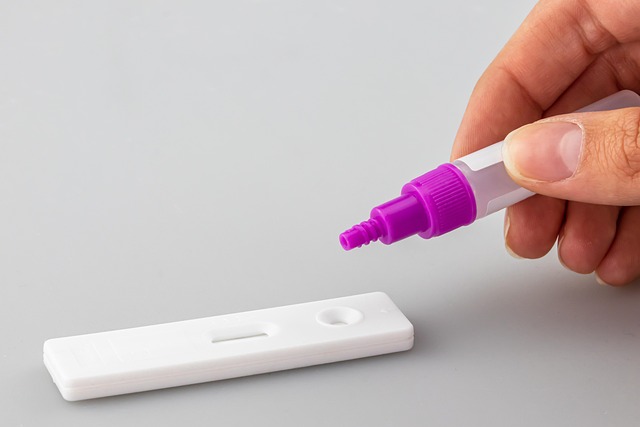
Advanced imaging techniques have emerged as powerful tools in diagnosing thyroid disorders, offering a non-invasive way to visualize and assess thyroid gland function. These cutting-edge methods go beyond traditional thyroid health test services by providing detailed insights into structural abnormalities, which can be crucial for accurate diagnosis and personalized treatment plans.
One such technique is ultrasound imaging, which uses high-frequency sound waves to create real-time images of the thyroid gland. This safe and painless method can detect enlarged or nodular thyroids, potential signs of various thyroid conditions. Additionally, advanced ultrasound technologies like Doppler ultrasound allow for the assessment of blood flow in the thyroid, aiding in identifying inflammation or structural changes. For more comprehensive testing, magnetic resonance imaging (MRI) offers high-resolution images, enabling the detection of subtle abnormalities and providing valuable information for managing thyroid conditions holistically. Even home-based tests, such as a testosterone test at home, can play a role in understanding overall hormonal balance, which indirectly supports thyroid health.
The Role of Biopsies in Thyroid Care

Biopsies play a pivotal role in the comprehensive care of thyroid health. When non-invasive tests like blood panels and ultrasound examinations raise suspicions, a biopsy becomes an indispensable tool for accurate diagnosis. This minor surgical procedure involves taking a small sample of thyroid tissue, which is then examined under a microscope to identify any abnormalities or diseases.
For patients presenting with signs indicating potential thyroid issues, understanding TSH levels in thyroid tests is crucial. Thyroid test results interpretation guides can help individuals interpret their findings and determine if further medical intervention is necessary. A biopsy, combined with these tests, offers a clear picture of thyroid health, enabling healthcare professionals to make informed decisions and develop tailored treatment plans for each unique case.
Blood Analysis for Thyroid Disorders

Blood analysis plays a crucial role in diagnosing thyroid disorders, offering valuable insights into thyroid health. Through advanced thyroid health test services, healthcare professionals can now detect even subtle abnormalities in thyroid function. The most common approach involves assessing thyroid-stimulating hormone (TSH) levels, which help understand if the thyroid gland is overactive or underactive.
Understanding thyroid antibodies in tests is another key aspect. Antibodies like TPO and Tg antibodies can indicate autoimmune disorders such as Hashimoto’s thyroiditis, where the body mistakenly attacks its own thyroid tissue. Additionally, symptoms of an overactive thyroid gland, like rapid heartbeat, weight loss, and increased appetite, often correlate with elevated levels of thyroid hormones (T3 and T4) revealed in these blood tests. This comprehensive analysis enables accurate diagnosis and prompt treatment for individuals struggling with thyroid-related health issues.
Molecular Diagnostics: DNA and RNA Tests

Molecular diagnostics have emerged as a powerful tool in the field of thyroid health testing. These advanced methods involve analyzing DNA and RNA to gain deeper insights into thyroid function and potential disorders. With the help of molecular tests, healthcare professionals can now identify specific genetic variations and mutations associated with thyroid conditions like hyperthyroidism, hypothyroidism, and even rare thyroid cancers. By examining a patient’s genetic makeup, these tests offer a more personalized approach to diagnosis and treatment planning.
One such innovation is the thyroid function blood test explained, which measures various hormones and proteins related to thyroid activity. This comprehensive analysis allows for early detection of thyroid imbalances and provides valuable information in interpreting thyroid test results. Moreover, molecular diagnostics can also help differentiate between similar conditions, ensuring accurate diagnoses and tailored hormone replacement therapy or other treatment interventions, including those for testosterone tests when indicated.
Interpreting Results: Accurate Diagnosis
Interpreting results from advanced thyroid diagnostic tests is a critical step in achieving an accurate diagnosis. Thyroid health test services often employ specialized assays and imaging techniques to provide detailed insights into gland function. When analyzing these results, healthcare professionals consider both numerical values and any deviations from the reference range. For instance, elevated or lowered levels of thyroid-stimulating hormone (TSH) can indicate hyperthyroidism or hypothyroidism, respectively. Additionally, these tests may include measurements of thyroxine (T4) and triiodothyronine (T3), which play a pivotal role in regulating metabolism.
When to suspect thyroid issues in men is not always apparent without such comprehensive testing. Unlike common perceptions, thyroid problems can affect anyone, regardless of gender. Symptoms like fatigue, weight changes, and cardiovascular issues could be indicative of underlying thyroid imbalances. Even if a thyroid test at home is positive or suspicious, it’s crucial to consult a healthcare provider for further evaluation. This ensures that any subsequent testosterone test at home or other diagnostic measures are interpreted correctly, leading to the most appropriate treatment for optimal thyroid health.
In exploring advanced thyroid diagnostic methods, from comprehensive blood analysis to cutting-edge molecular diagnostics, individuals can receive more accurate and personalized care. Understanding Thyroid Function Tests, utilizing advanced imaging techniques, considering biopsies, and employing DNA and RNA tests enable healthcare providers to make informed decisions about treatment plans, ultimately enhancing overall thyroid health test services. By interpreting results diligently, patients can achieve better management and improved quality of life.