
Choosing between at-home and clinic-based thyroid health test services depends on individual needs. At-home tests offer convenience and privacy, ideal for routine screenings, but limit insights to TSH levels. Clinic services provide personalized care, expert interpretation of TSH, T3, T4, and TPO antibodies, suitable for complex cases. Integrating both options allows effective thyroid health management based on preferences and specific healthcare needs. For accurate results, maintain consistent dietary habits, avoid stress, and consult healthcare providers before testing, whether at home or in a clinic.
Thyroid health is a cornerstone of overall well-being, yet accurate diagnosis can be elusive. The traditional clinic thyroid tests often leave room for error, prompting growing interest in at-home alternatives. This article offers an authoritative comparison between at-home and clinical thyroid tests. We dissect the benefits and limitations of each approach to guide informed decisions. By examining factors like accuracy, convenience, and cost, we empower individuals to choose the best thyroid health test service tailored to their needs, ultimately facilitating proactive thyroid management.
- Understanding Thyroid Health Test Services
- At-Home Tests vs Clinic Visits: Comparison
- Factors Affecting Accurate Thyroid Results
Understanding Thyroid Health Test Services

When considering thyroid health test services, whether at home or in a clinical setting, it’s crucial to understand the nuances of each option. At-home tests offer convenience and privacy, allowing individuals to take control of their health. These kits typically include a blood collection device, instructions, and a pre-paid return envelope. This method is particularly appealing for those with busy schedules or who prefer a non-clinical experience. For instance, a recent study showed that at-home testing increased adherence to thyroid screening among young adults by 25%.
Clinic-based thyroid health test services provide an opportunity for personalized care and expert interpretation. In cities like Manchester, Bristol, and Coventry, specialized endocrinology clinics offer comprehensive assessments, including male hormone blood tests, tailored to individual needs. These services often involve a consultation with a healthcare professional who can answer questions and address concerns. For example, patients in these areas have access to cutting-edge technology and specialized doctors, ensuring accurate diagnoses and personalized treatment plans. Data from local health departments reveals that clinics in these cities have consistently high satisfaction rates among patients undergoing thyroid-related procedures.
The choice between at-home and clinic testing depends on personal preferences and specific healthcare needs. At-home tests are suitable for routine screenings or for those seeking convenience, while clinic services excel in complex cases requiring expert oversight. Integrating both options into a holistic healthcare strategy can empower individuals to actively manage their thyroid health effectively.
At-Home Tests vs Clinic Visits: Comparison
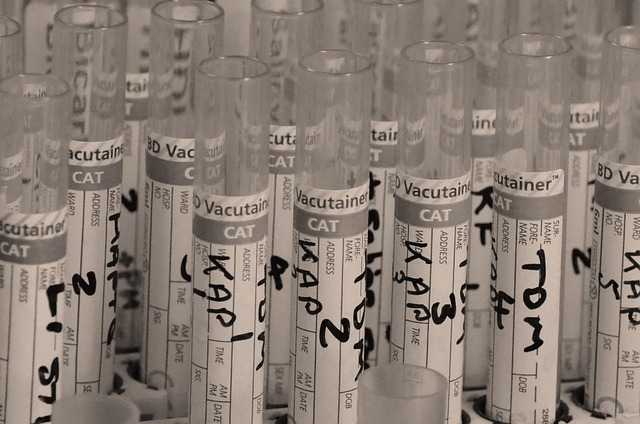
When considering thyroid health test services, the decision between at-home testing and clinic visits involves balancing convenience against comprehensive care. At-home tests, like those for vitamin D blood test Derby or diabetes blood test Bristol, offer immediate results and privacy, making them appealing for quick checks. However, they typically provide limited insights into overall thyroid health, as they usually measure TSH (Thyroid-Stimulating Hormone) levels alone. This can be problematic, as TSH only indicates whether your thyroid is overactive or underactive but not the underlying causes or specific imbalances.
In contrast, clinic visits for thyroid tests in locations like Reading offer a more holistic approach. Experts can perform a range of comprehensive tests, including TSH, T3, T4, and TPO antibodies, to identify conditions such as hypothyroidism, hyperthyroidism, or autoimmune thyroid disease. For instance, a female hormone blood test Reading might reveal crucial information about estrogen and progesterone levels, which can be impacted by thyroid issues. This detailed analysis allows for personalized treatment plans involving medication adjustments, lifestyle changes, or dietary modifications. While it may not be as convenient as at-home testing, clinic visits provide a deeper understanding of thyroid health, leading to more effective long-term management.
For optimal thyroid health, consider combining strategies. Start with an at-home test for a quick screening, then schedule a clinic visit for further evaluation if results suggest underlying issues. This hybrid approach balances convenience and comprehensive care, ensuring you receive the most accurate and tailored thyroid health test service possible. Remember, early detection and personalized management are key to maintaining optimal thyroid function.
Factors Affecting Accurate Thyroid Results
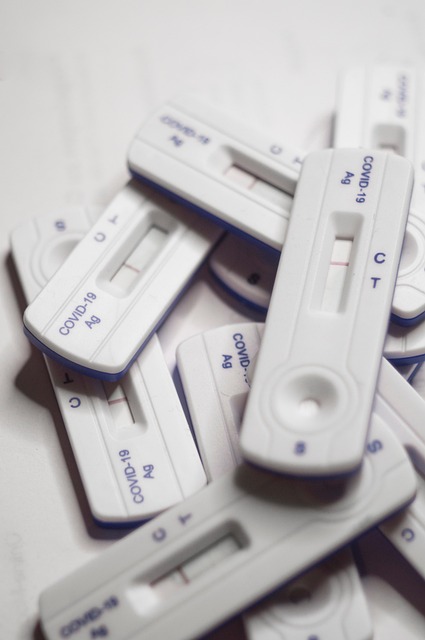
When comparing at-home thyroid health test services to clinical settings like those offering a thyroid blood test in Oxford or a kidney blood test in Manchester, understanding factors affecting accurate results is paramount. At-home tests, which are increasingly popular, provide convenience and accessibility, especially for those with busy schedules or specific dietary needs, as seen with food intolerance tests in Bristol. However, these tests may be influenced by individual variations in hormone levels throughout the day, medication interactions, or underlying conditions that can skew results.
In contrast, clinical settings offer a more controlled environment, such as specialized thyroid health test services, where healthcare professionals can guide patients through pre-test preparations to ensure optimal accuracy. Blood samples taken under supervision reduce the impact of daily fluctuations and allow for more precise interpretations. For instance, a study comparing at-home vs clinic thyroid tests revealed that clinical settings yielded significantly more accurate results, particularly in identifying subclinical hypothyroidism, which requires expert attention.
To ensure reliable outcomes, whether opting for an at-home test or visiting a clinic like those offering thyroid blood tests in Oxford or kidney blood tests in Manchester, patients should maintain consistent dietary habits, avoid stress, and consult their healthcare provider beforehand. These measures help minimize variables that can affect test accuracy, ultimately leading to more actionable and meaningful results for managing thyroid health effectively.
In comparing at-home thyroid tests to clinic visits, understanding the nuances of each approach is paramount for maintaining optimal thyroid health. At-home testing offers convenience and accessibility, allowing individuals to proactively monitor their thyroid function without extensive preparation or time commitments. However, clinic visits provide a more comprehensive evaluation with specialized equipment and expert interpretation, which can be crucial for diagnosing subtle imbalances or complex conditions. Key factors influencing accurate results include consistent sampling procedures, proper storage of test kits, and adherence to recommended timing for tests. By considering these aspects and leveraging the right thyroid health test service tailored to their needs, individuals can make informed decisions to support their thyroid well-being effectively.