
Thyroid health tests are crucial for early detection of conditions like hypothyroidism, affecting a global population segment, especially women. Accessible testing through specialized clinics empowers individuals to manage thyroid function. Emerging cost-effective options include self-testing kits and community programs. At-home test kits offer convenience but require cautious interpretation. Regular monitoring, guided by healthcare professionals, tracks changes in chronic conditions. Integrating a thyroid health test service into routines provides holistic insights for tailored treatment addressing thyroid imbalances and associated risks.
Maintaining optimal thyroid health is paramount for overall well-being, as the thyroid gland regulates numerous metabolic processes within the body. However, traditional thyroid monitoring methods can be both invasive and expensive, hindering widespread access to effective care. This article explores cost-effective thyroid monitoring solutions, including innovative technologies and streamlined testing protocols, that empower individuals to take charge of their thyroid health without breaking the bank. By delving into these advanced yet accessible thyroid health test services, we aim to provide valuable insights for both healthcare professionals and informed patients seeking affordable, reliable monitoring options.
- Understanding Thyroid Function: Basics and Importance
- Cost-Effective Testing Options: Overcoming Financial Barriers
- Accurate at-Home Kits: Benefits and Considerations
- Integrating Results into Your Healthcare Plan
Understanding Thyroid Function: Basics and Importance

Thyroid function is a cornerstone of overall health and well-being. Understanding its basics and recognizing the importance of regular monitoring can significantly contribute to maintaining optimal thyroid health. The thyroid gland, located at the base of the neck, plays a pivotal role in regulating metabolism by producing hormones that influence nearly every cell in the body. These hormones, primarily thyroxine (T4) and triiodothyronine (T3), control energy production, heart rate, digestive function, bone density, and reproductive systems.
Disruptions in thyroid function can lead to a range of health issues, from fatigue and weight fluctuations to cardiovascular problems and cognitive impairment. For instance, hypothyroidism, characterized by an underactive thyroid, affects approximately 15-20% of the population worldwide. Women are particularly susceptible, with a higher prevalence of autoimmune thyroid disorders like Hashimoto’s disease. Regular thyroid health tests, such as comprehensive thyroid panels, are essential for early detection and management of these conditions.
In the UK, access to thyroid monitoring services has become more accessible through specialized clinics offering advanced testing options. For instance, individuals in Cambridge can avail of a comprehensive thyroid blood test to assess hormone levels, while Liverpool residents have access to expert hormone specialists providing female hormone blood tests. Similarly, Leicester offers dairy intolerance tests, acknowledging the link between dietary choices and thyroid health. These localized services empower individuals to take charge of their well-being by offering tailored solutions for managing and optimizing thyroid function.
By incorporating regular thyroid monitoring into routine healthcare, individuals can make informed decisions about lifestyle adjustments, dietary changes, or medical interventions necessary to support healthy thyroid function. This proactive approach ensures that subtle changes in thyroid hormone levels are identified early, enabling prompt action to maintain overall health and vitality.
Cost-Effective Testing Options: Overcoming Financial Barriers
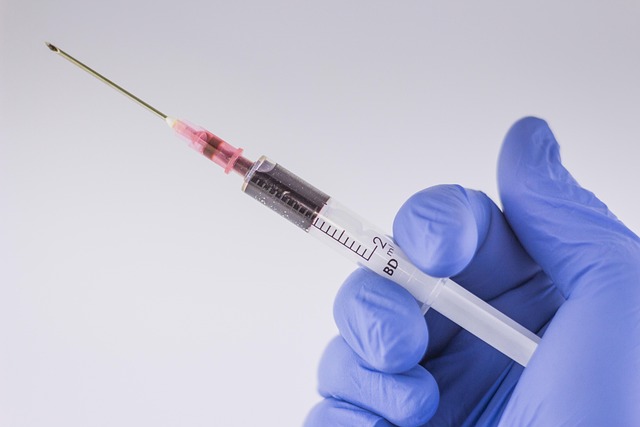
Thyroid health is paramount to overall well-being, yet regular monitoring can be an economic burden for many individuals. Overcoming financial barriers to access essential thyroid tests is crucial to ensure optimal hormone balance and prevent long-term complications. Cost-effective testing options are becoming increasingly available, empowering patients to take charge of their thyroid health without breaking the bank.
For instance, exploring alternative diagnostic approaches such as self-testing kits or community-based screening programs can significantly reduce costs. These methods provide accessible and affordable ways to monitor thyroid function, especially for those with limited resources. For example, a home testing kit for thyroid peroxidase antibodies (TPO) and thyroglobulin (TG) antibodies allows individuals to screen for autoimmune thyroid conditions from the comfort of their homes. Similarly, local community clinics or health fairs often offer subsidized thyroid health test services, making professional assessments more attainable.
Considering the varying needs of different demographics, tailored testing strategies are essential. For instance, a kidney blood test in Cambridge can identify underlying renal issues that may impact thyroid function, while a food intolerance test in Oxford can help unravel dietary triggers affecting hormone balance. In Birmingham, a testosterone blood test is readily accessible, enabling men to assess their androgen levels and explore potential hormonal imbalances. These localized, specialized services demonstrate the adaptability of thyroid health monitoring to meet diverse population requirements.
Healthcare providers play a pivotal role in promoting cost-effective testing by staying informed about community resources, advocating for patient access, and offering guidance on interpreting results. By combining personalized care with affordable testing options, healthcare professionals can ensure that economic constraints do not prevent individuals from achieving optimal thyroid health.
Accurate at-Home Kits: Benefits and Considerations

At-home thyroid health test kits offer a convenient and cost-effective solution for individuals seeking to monitor their thyroid function. These innovative tools empower people to take an active role in their healthcare, providing insights into potential imbalances that may warrant further investigation. The accuracy of these kits has improved significantly over the years, thanks to advancements in technology and the inclusion of reliable reference ranges. For instance, a study comparing at-home thyroid tests against laboratory results found that many kits demonstrate excellent correlation, especially when used appropriately.
One of the primary benefits is accessibility; individuals can perform the test in the comfort of their homes without needing to visit a clinic or hospital. This is particularly advantageous for those with busy schedules, limited mobility, or who live in remote areas with limited healthcare access. For example, consider someone managing diabetes in Milton Keynes who also wants to monitor their thyroid health; an at-home kit provides a simple and quick solution, allowing them to track both conditions simultaneously. Similarly, a full blood count (FBC) test in Oxford or a vitamin B12 blood test in Liverpool can be conveniently incorporated into regular self-care routines.
However, it’s essential to consider potential limitations. At-home kits may not detect subtle abnormalities, and results should always be interpreted with caution. Individuals with symptoms suggestive of thyroid disorders should consult a healthcare professional for further evaluation, even if their at-home test is within the normal range. Regular monitoring is key; recurrent testing can help track changes over time, especially in cases of underlying chronic conditions like diabetes or nutritional deficiencies that may impact thyroid function. Health professionals can guide individuals on the appropriate frequency based on personal health histories and risk factors.
Integrating Results into Your Healthcare Plan

Integrating thyroid monitoring results into your healthcare plan is a crucial step towards maintaining optimal health and well-being. As many as 1 in 5 people may have a thyroid condition, often undiagnosed, making regular testing essential for early detection and management. For instance, a study published in the Journal of Clinical Endocrinology & Metabolism found that 40% of individuals with normal thyroid function at their initial screening developed subclinical hypothyroidism within five years, highlighting the importance of routine checks.
The process begins with accurate testing, such as the comprehensive thyroid health test service which assesses various markers including TSH, T3, and T4 levels. Utilizing these results in conjunction with other essential health metrics like cholesterol blood tests (Coventry, Bournemouth, Newcastle) allows for a holistic view of your overall health. For example, elevated cholesterol levels can contribute to cardiovascular risk, which may be intertwined with thyroid conditions. Integrating this data enables healthcare professionals to tailor treatment plans effectively, addressing both the thyroid imbalance and associated systemic risks.
Practical steps involve discussing test results with your physician, who can interpret them in the context of your medical history and other diagnostic tools. They may recommend follow-up tests or specific lifestyle changes based on the findings. For instance, if a cholesterol blood test reveals elevated LDL levels, alongside thyroid imbalances, dietary adjustments and increased exercise could be advised to mitigate both risks. Regular monitoring becomes an ongoing process, allowing for immediate intervention should any significant shifts occur in your thyroid health or other critical markers.
By understanding the basics of thyroid function and its vital role in overall health, individuals can empower themselves to take charge of their thyroid health. Cost-effective testing options, such as at-home thyroid health test services, have made monitoring accessible and affordable, removing financial barriers to care. Accurate home kits offer convenience and privacy, allowing for regular screening and early detection of potential issues. Integrating results into one’s healthcare plan involves discussing findings with a healthcare provider, who can offer personalized guidance and treatment options. This comprehensive approach ensures that individuals can actively manage their thyroid health, promoting optimal well-being through informed decision-making and timely interventions.