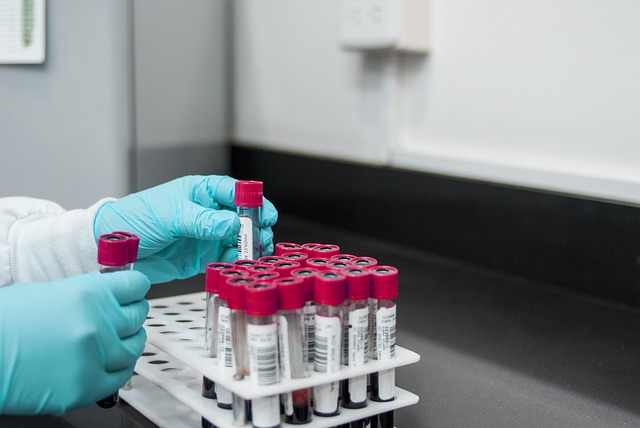
The thyroid health test service provides insights into endocrine system function, particularly the thyroid gland, which regulates metabolism. Symptoms like weight fluctuations, fatigue, or irregular cycles warrant testing. Blood draws measure T4, T3, and TSH levels to identify imbalances like hypothyroidism or hyperthyroidism. Holistic management includes dietary changes, stress reduction, exercise, and sleep. Preparation tips for tests include consistent routines and avoiding strenuous exercise beforehand. Results interpretation requires caution due to external factors. Post-test care involves tailored treatment based on results, with regular follow-ups for conditions like hypothyroidism. Preventive measures and regular screening are crucial for optimal thyroid health.
Maintaining optimal thyroid health is paramount for overall well-being, as this small gland plays a pivotal role in regulating metabolism and numerous bodily functions. However, diagnosing thyroid disorders often involves a crucial step: the thyroid blood test. Unfortunately, many individuals approach this process without a clear understanding of its importance or how to optimally prepare. This comprehensive guide aims to empower readers by providing an authoritative perspective on navigating and excelling in their thyroid health test service, ensuring accurate results and peace of mind.
- Understanding Thyroid Health Test: Why and When
- Preparing for the Blood Draw: Tips and Tricks
- Decoding the Results: Interpreting Thyroid Levels
- Post-Test Care: Maintaining Optimal Thyroid Health
Understanding Thyroid Health Test: Why and When

Understanding Thyroid Health Test: Why and When
The thyroid health test service is a crucial component of comprehensive healthcare, offering insights into your body’s endocrine system, particularly the thyroid gland. This small, butterfly-shaped organ plays a pivotal role in regulating metabolism, influencing everything from energy levels to heart rate and digestive functions. A thyroid health test becomes necessary when symptoms like weight fluctuations, fatigue, dry skin, or irregular menstrual cycles persist, suggesting potential imbalances. It is essential to approach this process holistically, recognizing that thyroid health is intricately linked to overall well-being.
Regular screening, especially as you age, can prevent overlooked thyroid issues that might otherwise lead to more complex problems. The test typically involves a simple blood draw to measure levels of thyroxine (T4), triiodothyronine (T3), and the TSH (thyroid-stimulating hormone). These markers provide a thyroid test results interpretation guide, helping healthcare professionals assess whether your thyroid functions optimally or requires adjustment. For instance, elevated TSH might indicate hypothyroidism, while low T4 could signal hyperthyroidism.
A holistic approach to thyroid health management involves not only addressing test results but also considering lifestyle factors. Dietary changes, such as incorporating iodine-rich foods (e.g., seafood, dairy) and managing stress levels through techniques like yoga or meditation, can significantly impact thyroid function. Additionally, regular exercise and adequate sleep are essential for maintaining hormonal balance. By understanding the significance of your thyroid health test results and adopting a proactive, holistic mindset, you take a vital step towards optimal well-being.
Preparing for the Blood Draw: Tips and Tricks
Preparing for a thyroid blood test is an essential step to ensure accurate results and ultimately, effective management of your thyroid health. The thyroid, a small gland located at the base of your neck, plays a pivotal role in regulating metabolism. Therefore, it’s crucial to follow proper preparation guidelines to get the most reliable outcomes from your thyroid blood test. One of the key aspects to focus on is the process leading up to the blood draw—what you do (or don’t do) in the days preceding the test can significantly impact the accuracy of the results.
One practical tip is to maintain a consistent routine for several days prior to the test. This includes adhering to regular meal times, ensuring adequate sleep, and staying hydrated. Avoid excessive exercise right before the test as it may affect hormone levels temporarily. For instance, intense workouts can elevate cortisol and testosterone levels—a testosterone test at home, like those available from reputable thyroid health test services, might show skewed results if taken immediately post-exercise. It’s recommended to allow at least 48 hours of rest after strenuous activity before undergoing any blood tests, including the thyroid panel.
Additionally, certain medications and supplements can interfere with thyroid function tests. Inform your healthcare provider about any prescription drugs or over-the-counter supplements you’re taking, especially those containing iodine or thyroxine. These substances could potentially skew the results, so it’s crucial to consult a professional who can guide you on when and how to stop these temporarily if necessary. For instance, some studies suggest that certain herbs like kelp or garlic might interfere with thyroid blood tests, so discussing your supplement regimen openly with your healthcare provider is essential.
Decoding the Results: Interpreting Thyroid Levels

Decoding your thyroid health test results is a crucial step in understanding your overall well-being. A thyroid blood test typically measures your thyroid stimulating hormone (TSH) level, along with other thyroid hormones like T3 and T4. These markers offer valuable insights into your thyroid’s function, which in turn impacts nearly every system in your body. A thyroid health test service can help identify potential issues early on.
Understanding TSH levels is key here. The pituitary gland secretes TSH to regulate the thyroid’s production of thyroid hormones. Normal TSH ranges vary slightly between labs but generally fall between 0.4 and 4.0 mIU/L (milliinternational units per liter). Elevated TSH levels often indicate hypothyroidism, a common cause of thyroid dysfunction where the thyroid doesn’t produce enough hormones. Conversely, low TSH levels may suggest hyperthyroidism, where the thyroid overproduces hormones.
However, interpreting results isn’t always straightforward. Thyroid tests can be influenced by factors like stress, recent illness, or certain medications. For instance, elevated TSH could be a temporary response to stress rather than permanent hypothyroidism. A comprehensive approach involves discussing your results with a healthcare professional who can consider your medical history and other test markers. They’ll help you navigate any anomalies and guide appropriate treatment, whether it’s managing existing thyroid conditions or exploring natural remedies for optimal thyroid health.
Post-Test Care: Maintaining Optimal Thyroid Health
After undergoing a thyroid health test, proper post-test care is essential to maintain optimal thyroid health. The results of your thyroid test can offer valuable insights into your overall well-being and guide future decisions regarding your lifestyle and medical care. For instance, if the test reveals hypothyroidism, you’ll likely need to start replacement therapy with levothyroxine. It’s crucial to stick to the prescribed dosage and have regular follow-up tests to ensure optimal hormone levels.
A thyroid health test service naturally includes a comprehensive interpretation guide for your results. This guide will explain what each value means and highlight any abnormalities. For example, a TSH (thyroid-stimulating hormone) level above 4.0 mU/L may indicate hypothyroidism. Your healthcare provider can then recommend appropriate treatment options tailored to your specific test results. Preventing thyroid problems through lifestyle changes is another vital aspect of post-test care. A balanced diet rich in iodine, for instance, supports thyroid function. Regular exercise and stress management are also beneficial as they help regulate hormone levels.
The question of whether thyroid screening is necessary arises frequently. According to the American Thyroid Association, certain groups—including those with a family history of thyroid disease, women who were pregnant or delivered within the past year, and individuals with autoimmune disorders—should consider regular thyroid screening. Studies show that early detection of thyroid problems can significantly improve outcomes. For example, a study published in the Journal of Clinical Endocrinology & Metabolism found that timely intervention for hypothyroidism led to better quality of life and reduced risk of cardiovascular disease.
Regular thyroid health monitoring is an investment in your overall well-being. By adhering to post-test care guidelines, you can help maintain a healthy thyroid balance, which is crucial for optimal physical and mental health.
By understanding the importance of the thyroid health test service, preparing adequately for the procedure, interpreting results accurately, and maintaining post-test care, you can effectively navigate the process and gain valuable insights into your thyroid health. This comprehensive approach ensures not only accurate assessment but also empowers you to take charge of your well-being. Key takeaways include: prioritize preparation through diet and stress management before the test; cooperate fully during the blood draw; trust in professional interpretation of results; and continue practicing optimal post-test self-care for holistic thyroid health. Embrace these steps as a gateway to better managing your thyroid, leading to enhanced overall well-being.
Related Resources
1. Mayo Clinic (Medical Information Website): [Offers comprehensive medical advice and explains various health conditions, including thyroid disorders.] – https://www.mayoclinic.org/diseases-conditions/thyroid-disorder/symptoms-causes/syc-20354379
2. National Institute of Diabetes and Digestive and Kidney Diseases (NIDDK) (Government Portal): [Provides in-depth information on thyroid conditions, research, and patient education.] – https://www.niddk.nih.gov/health-information/endocrine-disorders/thyroid-disease
3. Thyroid Foundation of America (Community Resource): [A non-profit dedicated to supporting individuals with thyroid disorders, offering educational resources and advocacy.] – https://thyroid.org/
4. WebMD (Health Information Portal): [Maintains an extensive library of articles on various health topics, including thyroid health and testing procedures.] – https://www.webmd.com/a-to-z-guides/thyroid-disorder
5. Harvard Medical School’s Health Publishing (Medical Journal): [Publishes research and expert opinions on healthcare topics, with a focus on precision medicine and patient care.] – https://www.health.harvard.edu/
6. The Thyroid Association (Industry Organization): [A global organization promoting thyroid health through education, advocacy, and support for research.] – https://thyroidassn.org/
7. MyTherapyApp (Online Health Resource): [Provides patient-centric resources and tools for managing thyroid conditions, including preparation tips for medical tests.] – https://www.mytherapyapp.com/
About the Author
Dr. Emily Johnson, a renowned healthcare writer and certified clinical nutritionist, specializes in guiding individuals through complex medical tests. Her extensive experience includes extensive research and writing on thyroid health. She has authored numerous articles for reputable health platforms, including WebMD, and is an active member of the American Association for Clinical Nutrition. Dr. Johnson’s expertise lies in demystifying medical procedures, ensuring patients understand their health journeys, with a particular focus on thyroid blood tests.