
Chronic stress negatively impacts the thyroid gland's balance, potentially causing hormonal imbalances like hypothyroidism or hyperthyroidism. A holistic approach involving regular exercise, mindfulness, and a thyroid health test service is crucial for maintaining optimal thyroid health. This includes identifying stress triggers through journaling and utilizing stress-reduction techniques, along with regular hormone monitoring to detect and manage any imbalances early on.
Stress and thyroid health are interconnected in ways that may surprise you. The thyroid, a small gland with big responsibilities, plays a crucial role in regulating metabolism. Chronic stress can disrupt its delicate balance, leading to problems like hypothyroidism or hyperthyroidism. This article explores the intricate relationship between stress and thyroid function. We’ll delve into how stress influences the thyroid’s response, the signs of thyroid issues induced by stress, and effective strategies for managing stress to maintain optimal thyroid health, with insights from top thyroid health test services.
- Understanding the Thyroid and Stress Response
- The Link Between Stress and Thyroid Disorders
- How to Assess and Support Thyroid Health through Stress Management
Understanding the Thyroid and Stress Response

The thyroid gland, often referred to as the body’s metabolic powerhouse, plays a pivotal role in regulating numerous physiological processes, from energy production to growth and development. This small, butterfly-shaped organ located at the base of the neck produces hormones that signal various bodily functions. However, chronic stress can disrupt this delicate balance. When stressed, the body triggers a cascade of hormonal responses, often leading to an overactive or underactive thyroid, depending on the duration and intensity of the stressor.
Understanding this connection is crucial for anyone seeking to maintain optimal thyroid health. Stress hormones, like cortisol, can interfere with thyroid function by affecting the conversion of thyroxine (T4) to triiodothyronine (T3), the active forms of thyroid hormone. Over time, persistent stress may contribute to conditions such as hypothyroidism or hyperthyroidism. Consequently, individuals experiencing chronic stress should consider a comprehensive approach to wellness, including regular exercise, mindfulness practices, and even a thyroid health test service to assess their thyroid’s functionality. Additionally, exploring natural supplements for thyroid support could be beneficial in mitigating the impact of stress on this vital gland.
The Link Between Stress and Thyroid Disorders
Stress and thyroid health are intricately linked, with chronic stress emerging as a potential trigger for various thyroid disorders. When faced with stressful situations, our bodies release hormones like cortisol, which can interfere with the normal functioning of the thyroid gland. This disruption may lead to imbalances in thyroid hormone production, resulting in conditions such as hypothyroidism or hyperthyroidism.
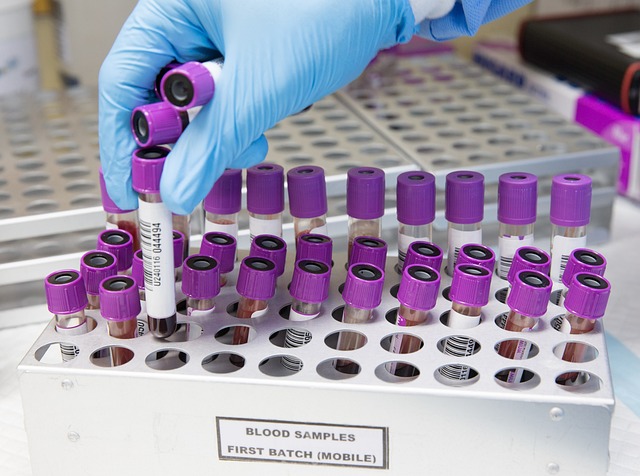
The impact of stress on thyroid health is significant, especially when left unaddressed. It’s not just about occasional stress; chronic and prolonged stress can cause persistent thyroid problems. Therefore, understanding the relationship between stress and thyroid disorders is crucial for those seeking optimal thyroid health. A simple thyroid health test service can be a first step towards assessing your thyroid function and identifying potential issues, even those related to lifestyle factors like stress management. Preventing thyroid problems through lifestyle changes, such as reducing stress levels, is an essential aspect of maintaining overall well-being and ensuring healthy thyroid function.
How to Assess and Support Thyroid Health through Stress Management

Stress can significantly impact your thyroid’s ability to function optimally. To assess and support thyroid health through stress management, start by identifying your stress triggers. This may involve keeping a journal to track stressful events or situations that lead to elevated cortisol levels, which in turn can disrupt thyroid hormone production. Once identified, employ strategies like mindfulness meditation, regular exercise, or deep breathing exercises to mitigate these stressors.
Consider a holistic approach to thyroid health management by incorporating stress-reducing practices alongside regular check-ins with healthcare professionals for comprehensive testing services. A thyroid health test service can help identify any imbalances or issues early on. This includes tests for thyroid-stimulating hormone (TSH), thyroxine (T4), triiodothyronine (T3), and other relevant markers, ensuring you have the data needed to effectively manage conditions like hypothyroidism or hyperthyroidism. Additionally, a testosterone test can be valuable in understanding overall hormonal balance, which is crucial for optimal thyroid function.
Stress can significantly impact thyroid function, leading to various disorders. By understanding the intricate link between these two factors, individuals can take proactive steps to manage their stress levels and maintain optimal thyroid health. Regular self-care practices and seeking professional support through services like comprehensive thyroid health tests are essential tools in navigating this relationship. Through proper assessment and management, one can effectively nurture a healthy thyroid, promoting overall well-being.