
Thyroid health test services assess thyroid function through hormones like TSH, T4, T3, vitamin D, and cholesterol. Results indicate conditions like hypothyroidism (high TSH, low T3/T4) or hyperthyroidism (low TSH, high T3/T4). Autoimmune disorders and liver issues can affect results. Regular monitoring through these services aids in accurate diagnoses and personalized treatment plans for optimal thyroid health.
Thyroid imbalances affect millions worldwide, making thyroid health test services increasingly vital for accurate diagnosis and treatment. Interpreting thyroid results, however, can be daunting due to complex medical terminology and variable ranges across labs. This article guides you through the intricacies of understanding your thyroid health test results, empowering you to actively manage your thyroid condition. By demystifying the process, we aim to provide genuine value, ensuring you feel confident navigating this crucial aspect of your overall well-being, especially with the aid of expert-backed thyroid health test services.
- Understanding Thyroid Health Tests: Basics and Types
- Interpreting Results: What Do Numbers Mean?
- Common Thyroid Conditions: Recognizing Patterns
- Utilizing a Thyroid Health Test Service
Understanding Thyroid Health Tests: Basics and Types

Understanding Thyroid Health Tests: Basics and Types
Thyroid health tests are crucial for assessing the function of your thyroid gland, which plays a pivotal role in regulating metabolism. These tests typically involve measuring specific hormones and chemicals in your blood to gauge how well your thyroid is functioning. One common example is the thyroid-stimulating hormone (TSH) test, which checks the level of TSH, a hormone released by the pituitary gland to stimulate the thyroid. Abnormal TSH levels can indicate either hypothyroidism or hyperthyroidism—conditions where the thyroid produces too little or too much hormone, respectively.
Another important test is the free thyroxine (T4) and triiodothyronine (T3) blood tests. These measure the levels of active thyroid hormones in your bloodstream. While T4 is primarily produced by the thyroid, T3 is a more potent hormone that’s converted from T4 in peripheral tissues. vitamin D blood test Nottingham and cholesterol blood test Reading can also be relevant when evaluating overall health, as these substances interact with thyroid function. For instance, low vitamin D levels have been linked to hypothyroidism, underscoring the importance of comprehensive testing.
In cities like Derby, accessing reliable thyroid health test services is readily available. These tests are often prescribed by healthcare professionals after observing symptoms like fatigue, weight changes, or irregular menstrual cycles. It’s important to remember that interpreting results requires expert guidance. For instance, a thyroid blood test Derby might reveal elevated TSH levels, suggesting hypothyroidism, but the cause could be varying from simple hormonal imbalances to underlying medical conditions. Therefore, seeking professional advice is crucial for accurate diagnosis and tailored treatment plans.
Regular monitoring of thyroid health tests can help detect subtle changes in glandular function before they escalate into more severe issues. By understanding these tests and their implications, individuals can take proactive steps towards maintaining optimal thyroid health. This may include lifestyle adjustments, dietary changes, or medical interventions as recommended by a healthcare provider.
Interpreting Results: What Do Numbers Mean?
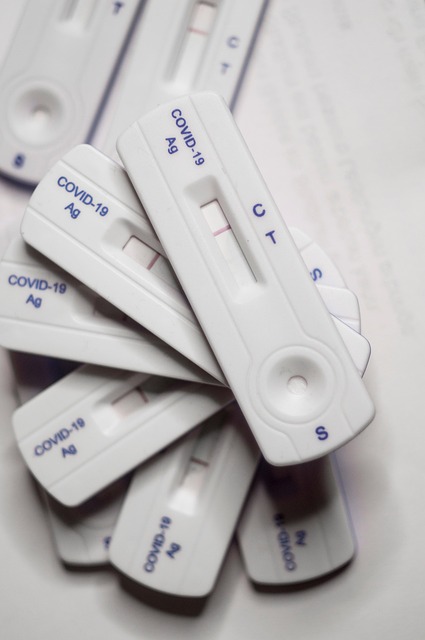
Interpreting thyroid test results can be a complex task for many individuals, often leading to confusion and concern. Thyroid health is vital to overall well-being, and understanding your test numbers is key to managing it effectively. The thyroid gland produces hormones that regulate metabolism, growth, and development, so any abnormalities in these hormones can significantly impact your health. When undergoing a thyroid health test service, whether in Liverpool, Bristol, or Leicester, knowing what the results mean is essential for making informed decisions about your care.
For instance, a common metric is the TSH (Thyroid-Stimulating Hormone) level. Normal TSH ranges vary slightly between laboratories but typically fall between 0.4 and 4.0 mIU/L. A high TSH may indicate hypothyroidism, where the thyroid doesn’t produce enough hormone, while a low TSH can suggest hyperthyroidism, where it produces too much. Vitamin B12 blood tests in Liverpool or Bristol might also reveal thyroid-related issues; deficiency can affect energy levels and cognitive function, indirectly impacting overall thyroid health. Similarly, vitamin D blood tests in Leicester can provide valuable insights, as inadequate vitamin D levels have been linked to thyroid dysfunction.
Actionable advice includes discussing results with a healthcare professional who can interpret them within your medical history. They may order further tests or adjust your treatment plan accordingly. Regular monitoring is crucial, especially if you’re managing thyroid conditions. For example, TSH levels should be checked every 6-12 months for hypothyroid patients on medication to ensure optimal hormone replacement. By staying informed and actively engaged with your health data, from vitamin B12 blood tests in Liverpool to vitamin D assessments in Leicester, you empower yourself to maintain balanced thyroid health.
Common Thyroid Conditions: Recognizing Patterns
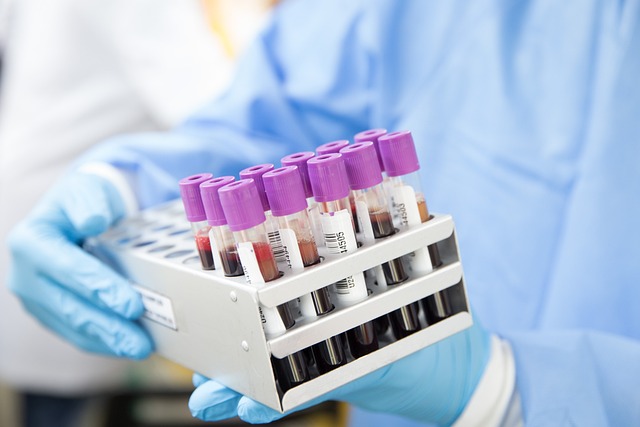
Understanding common thyroid conditions is crucial when interpreting thyroid health test results. The thyroid gland, located at the base of the neck, plays a pivotal role in regulating metabolism through the production of hormones. Disruptions in this delicate balance can lead to various thyroid conditions, often reflected in blood test results. For instance, hypothyroidism, characterized by low hormone levels, may manifest as elevated TSH (Thyroid Stimulating Hormone) and lower T3/T4 values on a thyroid health test service. Similarly, hyperthyroidism, the opposite condition, can be identified by high TSH and elevated T3/T4 levels.
Certain conditions like Graves’ disease, an autoimmune disorder, often show distinct patterns. This condition typically results in an overactive thyroid, leading to high T3 and T4 readings. Vitamin B12 blood tests in Birmingham or male hormone (testosterone) blood tests in Birmingham might also be relevant considerations for comprehensive health assessments, as nutrient deficiencies or hormonal imbalances can contribute to thyroid issues. For example, low vitamin B12 levels can mimic hypothyroid symptoms, while elevated testosterone in men could suggest underlying thyroid problems.
Moreover, other organ systems’ health status, such as the liver (liver blood tests in Newcastle), can indirectly impact thyroid function. Liver disease or dysfunction may alter the metabolism and clearance of thyroid hormones, affecting test results. Recognizing these interconnected relationships enables healthcare professionals to interpret thyroid health test data accurately and tailor treatment plans accordingly. Regular monitoring and a holistic approach to health are essential for managing thyroid conditions effectively.
Utilizing a Thyroid Health Test Service

Understanding thyroid health test results can be a challenge for many individuals, but with the right tools and guidance, interpretation becomes more manageable. One effective way to navigate this process is by utilizing specialized thyroid health test services designed to offer clarity and peace of mind. These services provide an in-depth analysis of hormone levels, including crucial male hormone blood tests similar to those offered in Leicester, ensuring a comprehensive assessment.
For instance, consider a scenario where someone presents with symptoms indicative of thyroid imbalance. A trusted thyroid health test service can facilitate a simple and accurate diagnosis by conducting a panel of tests, including thyroid-stimulating hormone (TSH), thyroxine (T4), and triiodothyronine (T3) levels. By comparing these results against established norms, healthcare professionals can identify deviations that may point to conditions such as hypothyroidism or hyperthyroidism. This proactive approach is particularly valuable for those at risk of thyroid-related issues, such as individuals with a family history or underlying medical conditions like diabetes, for which regular monitoring in places like Portsmouth could be beneficial.
Moreover, these test services often provide tailored insights and recommendations based on individual profiles. For example, a patient in Coventry seeking optimal health might benefit from personalized advice on lifestyle adjustments, diet, and supplements to support thyroid function, alongside regular blood tests to track progress. By combining accurate testing with expert interpretation, these thyroid health test services empower individuals to take charge of their hormonal balance and overall well-being.
Understanding thyroid health is key to overall well-being, and interpreting thyroid results is a crucial step in managing this vital gland’s functionality. By familiarizing yourself with thyroid health tests, their basics, types, and common conditions, you gain valuable insights into your body. Employing a trusted thyroid health test service enables accurate assessments and personalized guidance. This article has equipped readers with essential knowledge to navigate thyroid testing, empowering them to make informed decisions about their thyroid health and embrace a path towards optimal well-being.